
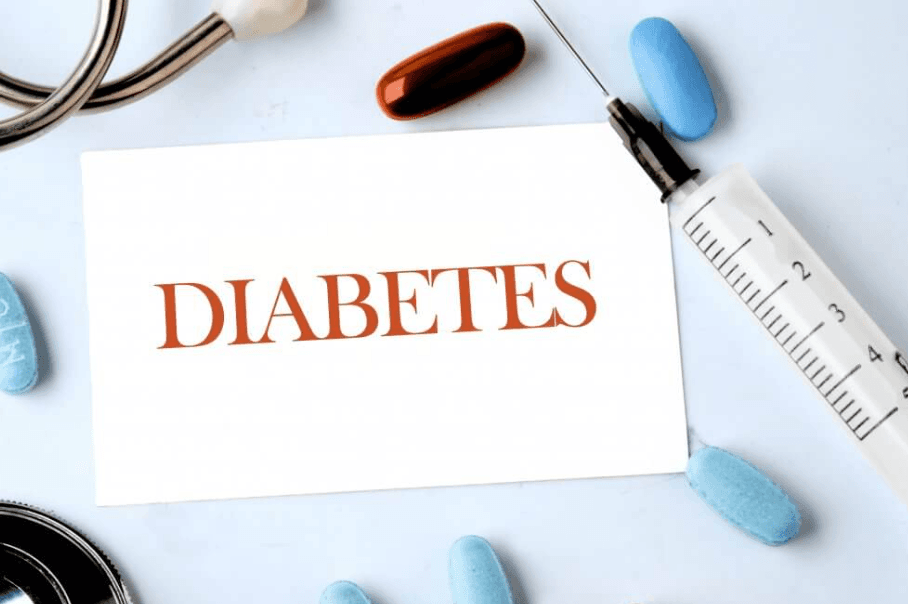
Type 1 Diabetes: Autoimmune, Unpredictable, and Frequently Misunderstood
Explore how Type 1 diabetes develops, why it’s not caused by lifestyle, and the daily challenges patients face.
Shorter sleep is associated with greater hunger—especially for high-fat, high-carbohydrate foods—lower levels of leptin.
By Total Access Medical ·

We have so many demands on our time—jobs, family, errands—not to mention finding some time to relax. To fit everything in, we often sacrifice sleep. But sleep affects both mental and physical health. When you’re tired, you can’t function at your best. Sleep helps you think more clearly, focus better and it also has a profound impact on hunger.
Sleep Deprivation Leads To Increased Hunger
Sleep deprivation may alter the hormones that control hunger. One small study, for example, found that young men who were deprived of sleep had higher levels of the appetite-stimulating hormone ghrelin and lower levels of the satiety-inducing hormone leptin, with a corresponding increase in hunger and appetite-especially for foods rich in fat and carbohydrates.
Related Article: How Do Poor Sleep Habits Affect Heart Health
Related Article: What Are The Effects Of Sleep Deprivation
Staying Awake Gives People More Time To Eat
People who sleep less each night may eat more than people who get a full night’s sleep simply because they have more waking time available. Recently a small laboratory study found that people who were deprived of sleep and surrounded by tasty snacks, tended to snack more-especially during the extra hours that were awake at night-than when they had adequate sleep.
Sleep Deprivation Prompts People To Choose Less Healthy Diets
Observational studies have not shown a consistent link between sleep and food choices. But one study of Japanese workers did find that workers who slept fewer than six hours a night were more likely to eat out, have irregular meal patterns, and snack than those who slept over six hours.
Explore how Type 1 diabetes develops, why it’s not caused by lifestyle, and the daily challenges patients face.
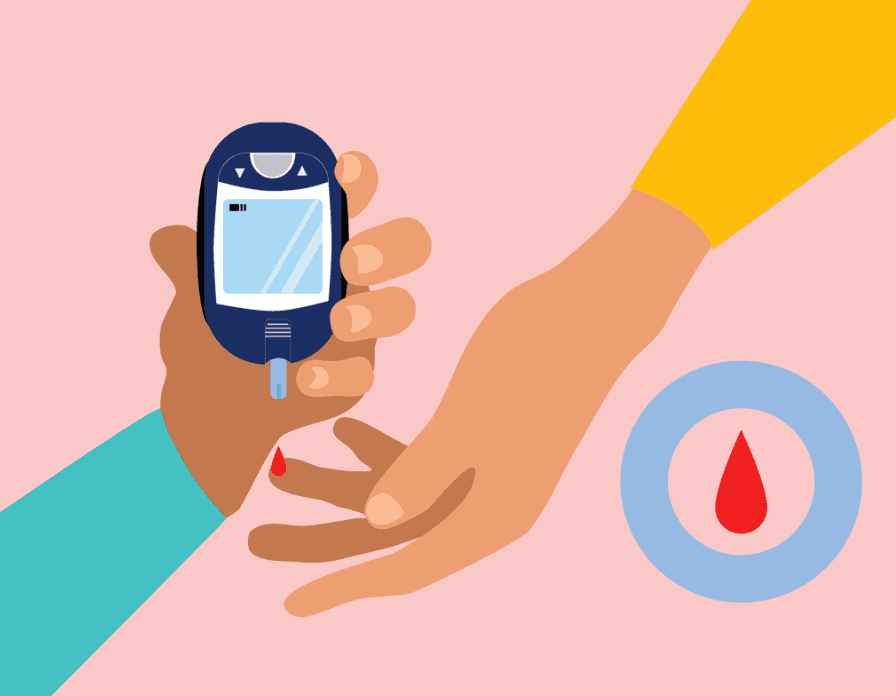
Understand what diabetes truly is, why it’s increasing worldwide, and how awareness saves lives.

Exercise is not just “good for you”—it’s one of the most effective tools women have for reducing the risk of breast cancer coming back.

Unhurried, deeply personal primary care from a physician who truly knows you.
Questions? Speak directly with our team
610-667-9980