

Type 1 Diabetes: Autoimmune, Unpredictable, and Frequently Misunderstood
Explore how Type 1 diabetes develops, why it’s not caused by lifestyle, and the daily challenges patients face.
Some functions like memory, processing speed, and spatial awareness deteriorate as we age, but other skills actually improve.
By Total Access Medical ·
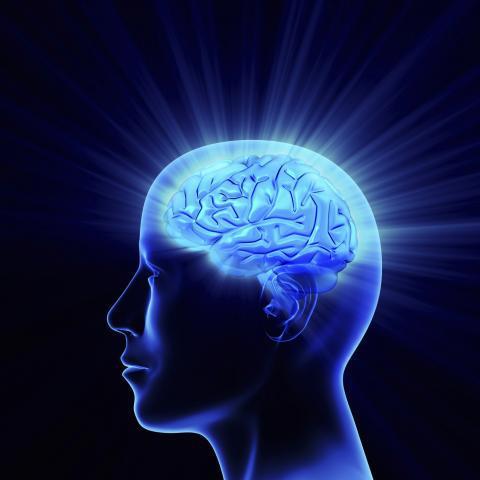
In our 30s and 40s, the brain starts to shrink, with the shrinkage rate increasing even more by age 60. Like wrinkles and gray hair that start to appear later in life, the brain's appearance starts to change, too. And our brain’s physical morphing means that our cognitive abilities will become altered.
The following changes to the brain normally occur as we get older:
With these changes, older adults might experience memory challenges like difficulty recalling names or words, decreased attention, or a decreased ability to multitask.
As the brain ages, neurons begin to die, and the cells also produce a compound called amyloid-beta. Amyloid beta is what is typically associated with Alzheimer's. It can also be found in the brain of an individual who is aging. If there are amyloid-beta plaques (prions) in the brain, it can be a sign of Alzheimer's disease. And when there are signs of plaque, but no prions, it may be a sign of normal aging.
Overall, as the brain ages, it does get more difficult for older individuals to care for themselves.
Explore how Type 1 diabetes develops, why it’s not caused by lifestyle, and the daily challenges patients face.
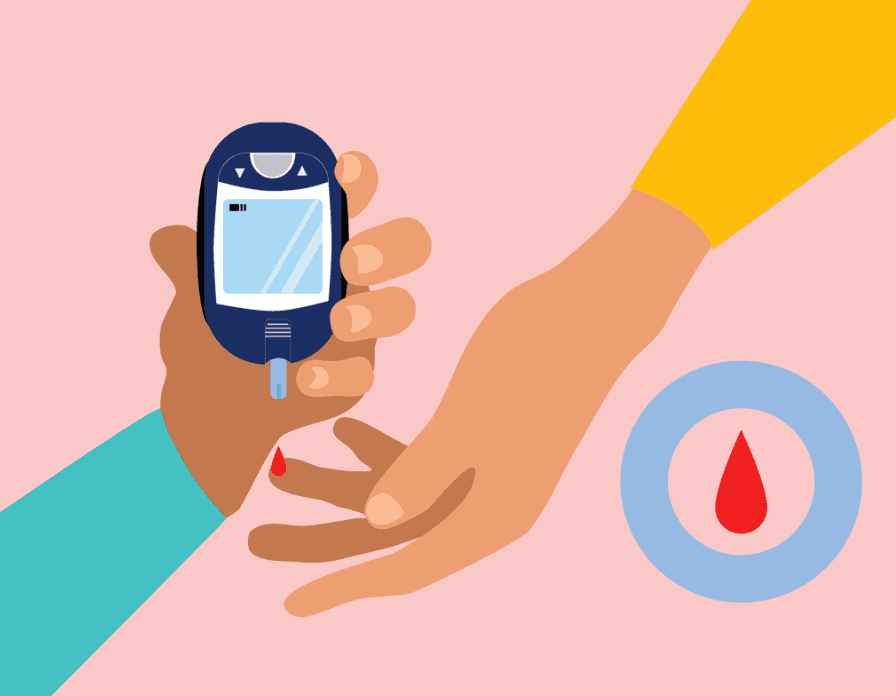
Understand what diabetes truly is, why it’s increasing worldwide, and how awareness saves lives.

Exercise is not just “good for you”—it’s one of the most effective tools women have for reducing the risk of breast cancer coming back.

Unhurried, deeply personal primary care from a physician who truly knows you.
Questions? Speak directly with our team
610-667-9980