

Type 1 Diabetes: Autoimmune, Unpredictable, and Frequently Misunderstood
Explore how Type 1 diabetes develops, why it’s not caused by lifestyle, and the daily challenges patients face.
Learn how to set realistic, meaningful health goals for the new year that support long-term well-being through sustainable habits and flexible planning.
By Total Access Medical ·

The new year often brings motivation to focus on health, but worthwhile health goals go beyond quick fixes or extreme resolutions. The most effective goals are realistic, meaningful, and built to support long-term well-being rather than short bursts of effort.
Start by shifting your mindset from “changing everything” to improving one or two areas that truly matter to you. Health goals work best when they fit into your real life, not an idealized version of it.
When creating your goals, keep these principles in mind:
It also helps to think in terms of addition rather than restriction. Instead of cutting everything out, consider what you can add that supports your health, such as regular movement, better sleep routines, or more balanced meals.
Finally, track progress in a way that encourages consistency, not perfection. Progress might look like improved habits, better moods, or increased strength rather than constant measurable wins.
Health goals are most worthwhile when they support your life rather than control it. By setting goals that are realistic, personal, and adaptable, you create a foundation for lasting change throughout the year.
Explore how Type 1 diabetes develops, why it’s not caused by lifestyle, and the daily challenges patients face.
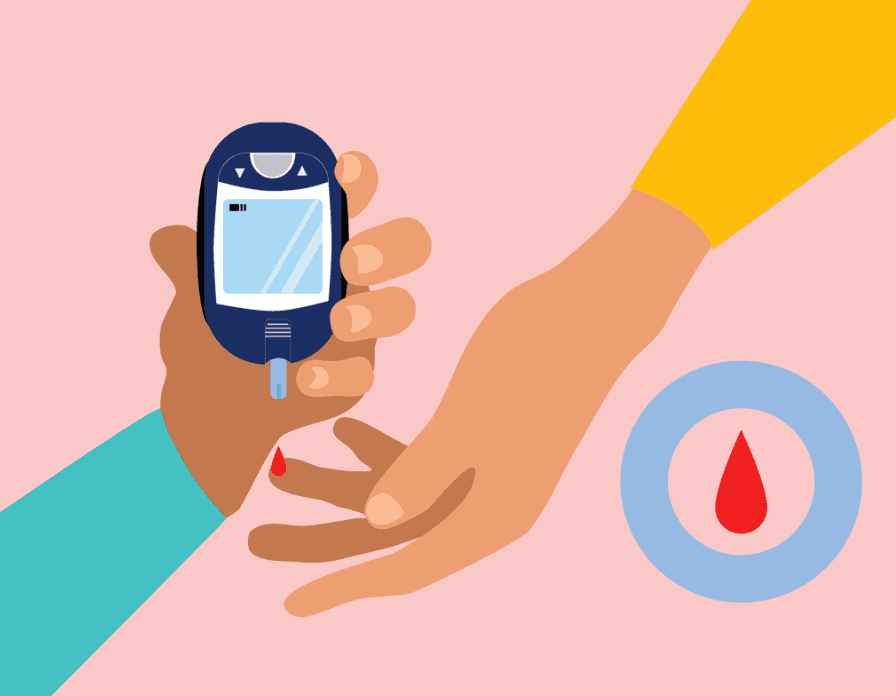
Understand what diabetes truly is, why it’s increasing worldwide, and how awareness saves lives.

Exercise is not just “good for you”—it’s one of the most effective tools women have for reducing the risk of breast cancer coming back.

Unhurried, deeply personal primary care from a physician who truly knows you.
Questions? Speak directly with our team
610-667-9980