
Type 1 Diabetes: Autoimmune, Unpredictable, and Frequently Misunderstood
Explore how Type 1 diabetes develops, why it’s not caused by lifestyle, and the daily challenges patients face.
A study found that high-intensity interval training in older adults improves hippocampal function and helps retain this improvement years after.
By Total Access Medical ·

Exercise offers multiple health benefits, and researchers are particularly interested in discovering how it affects the brain function of older adults.
A recent study published in Aging and Disease examined three levels of exercise among healthy older adults and how these interventions affected the functioning of the hippocampus, an area of the brain critical to memory consolidation. Researchers found that participants who engaged in high intensity interval training (HIIT) saw improvement in hippocampal function. They also found that they still saw the improvement up to five years after the start of the intervention.
Can exercise help improve brain function?
This study was a multidomain, randomized control study. Researchers recruited 194 participants between 65 and 85 years old. They excluded participants who had experienced a stroke, brain trauma, or brain or heart surgery and anyone who was at high risk for experiencing a cardiac event like a heart attack during exercise. Participants did not have diagnosed mental illnesses or cognitive decline at baseline.
Participants were divided into three groups to undergo different levels of exercise intensity:
The high-intensity training group further combined aerobic and anaerobic exercise.
Participants underwent exercise programs, exercising three days a week for six months under supervision from exercise physiologists. Researchers had participants undergo a number of tests to examine cognitive and hippocampal function, such as the hippocampal-dependent paired associated learning (PAL) test. They also collected monthly blood samples from participants to gain valuable biomarker information.
Researchers conducted cognitive tests monthly during the intervention and followed up with participants every six months afterward for up to five years.
The study’s results found that the high-intensity interval training group experienced an improvement in hippocampal-dependent spatial learning. The other two groups remained stable rather than showing improvement. This improvement was maintained in the high-intensity interval training group during the five-year follow-up. It appeared to be unrelated to lifestyle and physical activity differences during the follow-up.
The study suggests that high-intensity interval training (HIIT) can significantly improve hippocampal-dependent learning in healthy older adults. While promising, the results should be interpreted cautiously due to potential variability in individual responses to exercise and the study’s specific population. If corroborated by further research, these findings could inform exercise-based interventions for cognitive health in older adults, promoting HIIT as a non-pharmacological strategy to mitigate age-related cognitive decline.
Explore how Type 1 diabetes develops, why it’s not caused by lifestyle, and the daily challenges patients face.
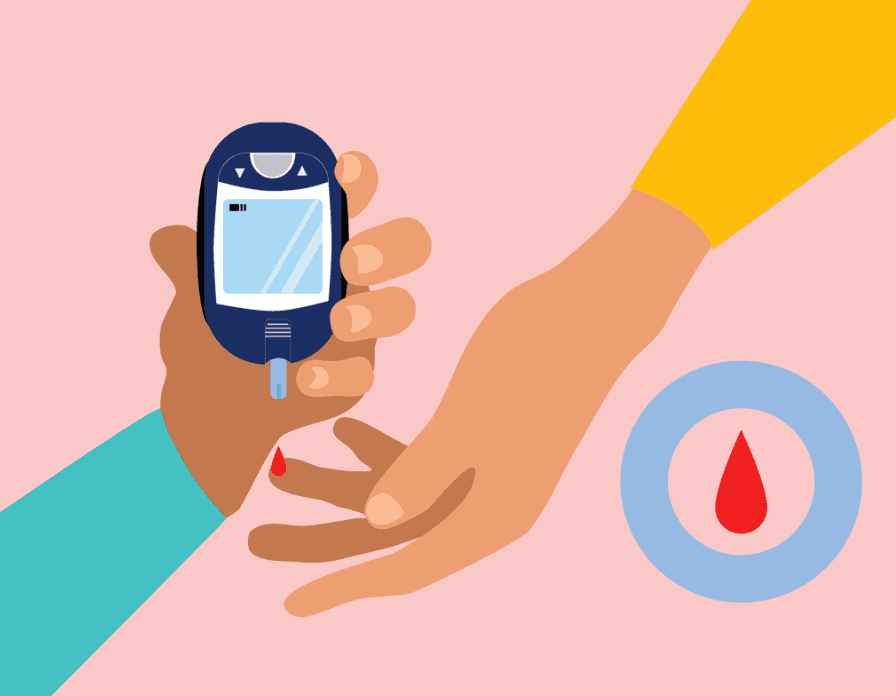
Understand what diabetes truly is, why it’s increasing worldwide, and how awareness saves lives.

Exercise is not just “good for you”—it’s one of the most effective tools women have for reducing the risk of breast cancer coming back.

Unhurried, deeply personal primary care from a physician who truly knows you.
Questions? Speak directly with our team
610-667-9980