
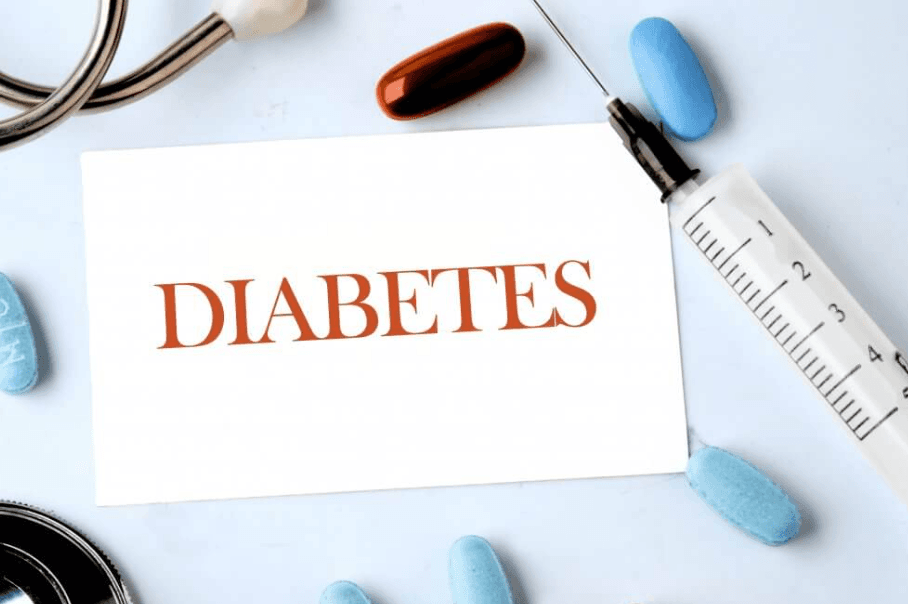
Type 1 Diabetes: Autoimmune, Unpredictable, and Frequently Misunderstood
Explore how Type 1 diabetes develops, why it’s not caused by lifestyle, and the daily challenges patients face.
Generally, males and females experience similar heart attack symptoms, which include chest pain or shortness of breath.
By Total Access Medical ·

Every year about 805,000 Americans have a heart attack.
The heart pumps oxygen-rich blood to the rest of the body through an intricate network of arteries. However, the arteries around your heart can get blocked, usually by a blood clot and less often because of severe spasms and dissection. When this happens, blood flow is slowed or blocked.
The classic image of a person having a heart attack is one of a person clutching their chest, complaining of crushing chest pain or an elephant sitting on their chest. However, in real life, the symptoms can be more subtle.
The symptoms are:
Some other heart attack symptoms may include:
Risk factors of a heart attack are similar between males and females. The American Heart Foundation list the following as risk factors:
Some of the risk factors associated with heart attacks are not reversible, such as sex and genetic risk of heart disease.
However, a person can lower their risk of a heart attack by focusing on lifestyle changes, such as:
People cannot change all their risk factors for a heart attack. However, they can lower their likelihood by adopting a healthful lifestyle, engaging in regular physical activity, stopping smoking, and limiting alcohol consumption.
Explore how Type 1 diabetes develops, why it’s not caused by lifestyle, and the daily challenges patients face.
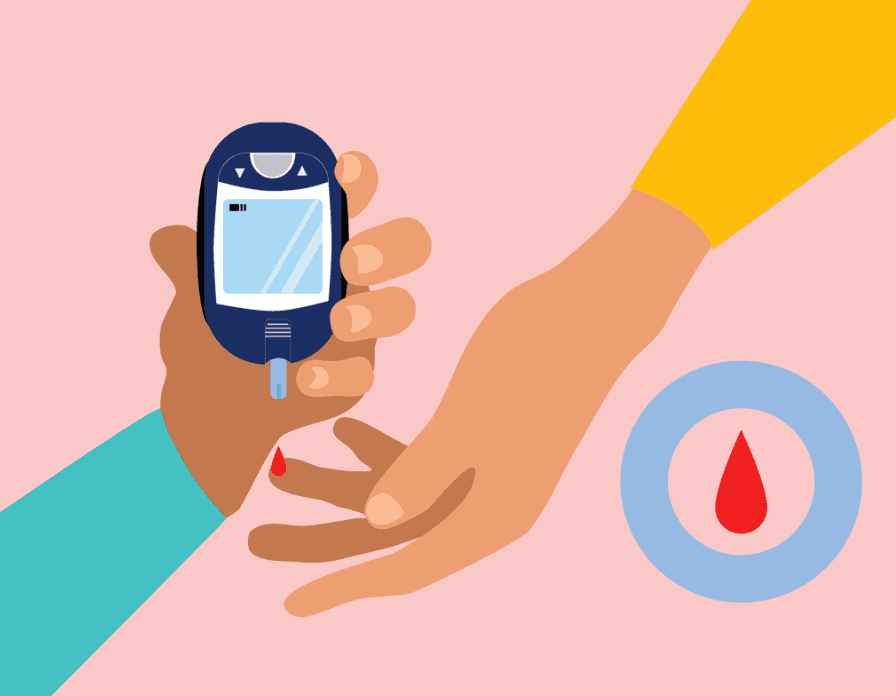
Understand what diabetes truly is, why it’s increasing worldwide, and how awareness saves lives.

Exercise is not just “good for you”—it’s one of the most effective tools women have for reducing the risk of breast cancer coming back.

Unhurried, deeply personal primary care from a physician who truly knows you.
Questions? Speak directly with our team
610-667-9980