
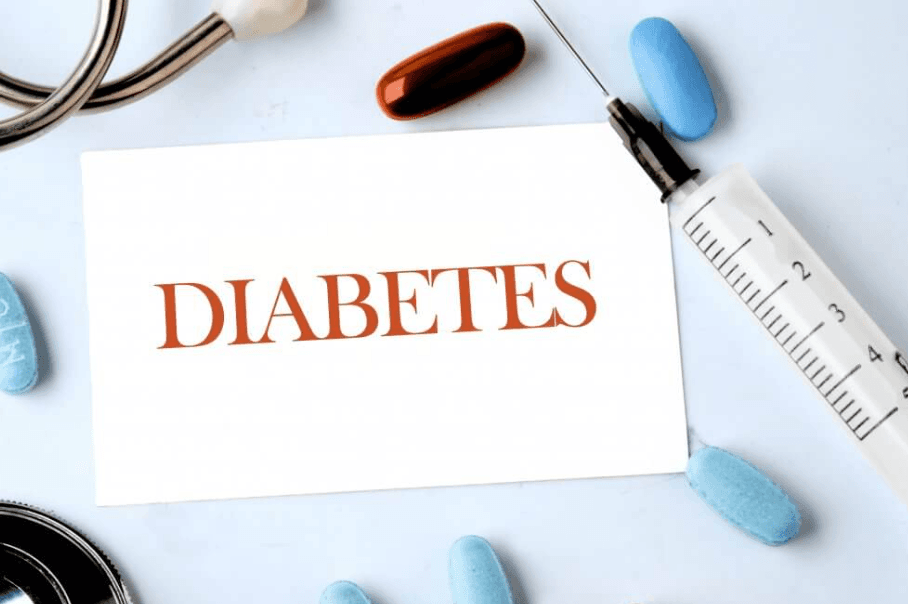
Type 1 Diabetes: Autoimmune, Unpredictable, and Frequently Misunderstood
Explore how Type 1 diabetes develops, why it’s not caused by lifestyle, and the daily challenges patients face.
Maintaining a healthy diet keeps the immune system balanced and ready to fight against infection and viruses.
By Total Access Medical ·
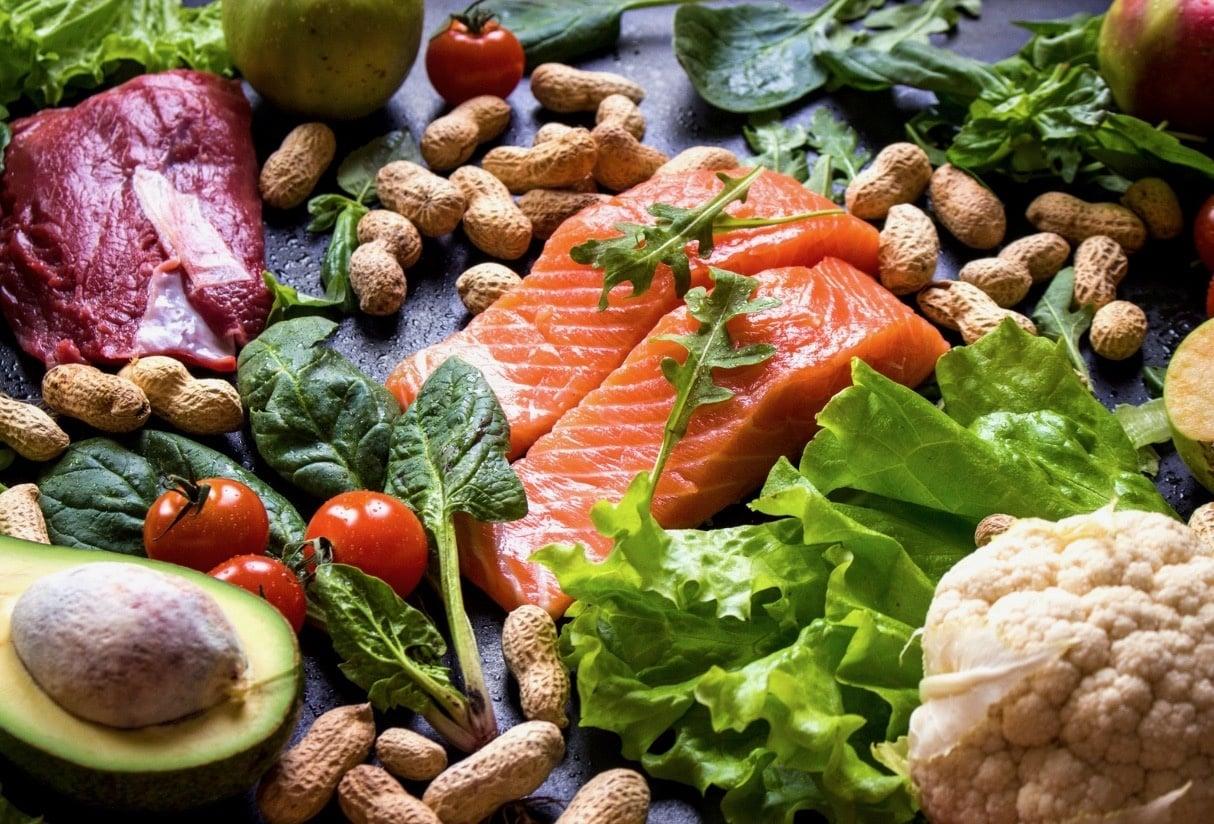
We may take it for granted that our diet can influence the way our immune systems work. But how and why does what we eat impact the immune response?
Can Diet Influence The Immune System?
Studies suggest that a person’s diet influences their immune system, like all other aspects of health.
For example, nutrition can affect the microbiome, gut barrier function, inflammatory processes, and white blood cell function, all of which impact immune function.
Dietary patterns and individual foods have associations with increased disease risk, greater risk of allergy, and impaired immune response.
Western-type diets tend to contain high levels of saturated fat, ultra-processed foods, added sugar and salt, and overall calories. This diet is often low in foods associated with better health, such as vegetables, fruits, and fatty fish, and has strong links to an increased risk of chronic disease.
Research suggests that Western-type diets induce inflammation and alter immune system function, promoting disease development.
In contrast, diets rich in whole foods, such as vegetables, fruits, nuts, legumes, and seafood, and low in ultra-processed foods can reduce disease risk and promote healthy immune function.
Additionally, a deficiency or insufficiency of nutrients essential to immune function, including vitamin D, zinc, and vitamin C, can also affect immune response.
Although it is clear that dietary choices impact overall health, including immune function, the interaction between diet and immune health is highly complex. Scientists are still learning how the foods a person consumes may help or harm immune function.
How to Support a Healthy Immune System
Explore how Type 1 diabetes develops, why it’s not caused by lifestyle, and the daily challenges patients face.
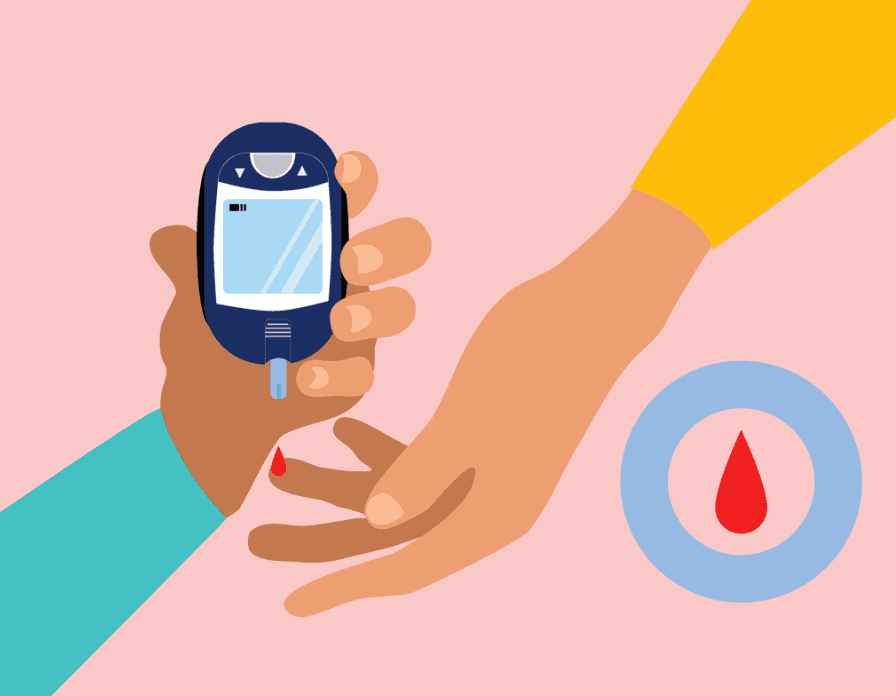
Understand what diabetes truly is, why it’s increasing worldwide, and how awareness saves lives.

Exercise is not just “good for you”—it’s one of the most effective tools women have for reducing the risk of breast cancer coming back.

Unhurried, deeply personal primary care from a physician who truly knows you.
Questions? Speak directly with our team
610-667-9980