

Type 1 Diabetes: Autoimmune, Unpredictable, and Frequently Misunderstood
Explore how Type 1 diabetes develops, why it’s not caused by lifestyle, and the daily challenges patients face.
Most people think they eat well — they don’t. Learn how to strip away excuses, track what really goes in your body, and make nutrition work for you.
By Total Access Medical ·
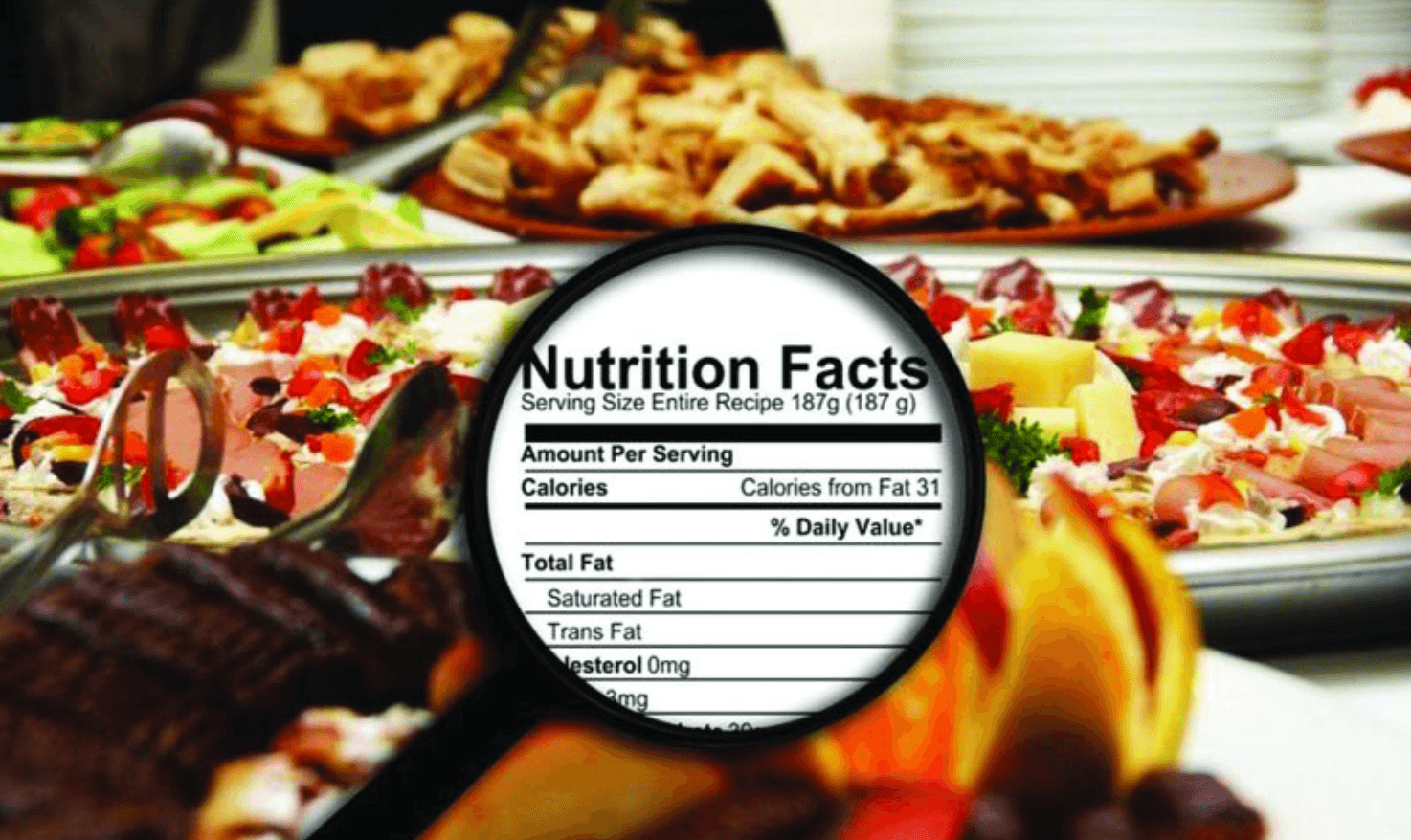
Most people think they eat better than they do. Research shows people underestimate daily calorie intake by up to 40 percent — not because they’re lazy or dishonest, but because the modern food environment is designed to make mindless eating easy and calorie creep invisible.
If you want better energy, better body composition, and better health, you need to know what you’re actually eating — not just what you think you’re eating.
A food audit is not about guilt or obsession. It’s about clarity. Once you see the real numbers, you can make real changes that actually stick.
Here’s how to do it properly — and why most people get it wrong.
What to do:
Why it works: Your goal is to see your real habits, not your ideal habits. People often sabotage audits by eating less or skipping snacks just because they’re logging them. This defeats the purpose. You’re gathering data — not passing a test.
What to do:
Why it works: Most hidden calories come from small extras: sauces, cooking oils, sugary drinks, alcohol, and “just a handful” of snacks. These can easily add hundreds of unnoticed calories a day. Logging them exposes your real intake.
What to do:
Why it works: Food choices are driven by context — time, mood, environment. When you see you’re eating half your calories after 8 PM or stress-eating every afternoon, you get actionable insight. Solving the “why” is as important as counting calories.
What to do:
Why it works: Most people try to overhaul everything overnight and fail. You only need a few key tweaks to see results. If your audit shows you drink 500 calories of soda daily, cutting that is far easier than obsessing over whether your dinner has 10 grams too much fat.
What to do:
Why it works: Most people fail because they try to fix ten things at once. Sustainable nutrition change happens one habit at a time. Lock in the first, then move to the next.
What to do:
Why it works: Life changes — work stress, travel, seasons, family. Eating habits shift with them. A quarterly audit keeps you aware and stops bad habits from creeping back in unnoticed.
You don’t need a complicated meal plan to eat better — you need clear, honest data about what’s really happening. A simple food audit cuts through excuses and guesswork.
Do this well, and you’ll see exactly where your energy, weight, or performance is being won or lost. Then you can make changes that actually stick — because they’re based on reality, not wishful thinking.
Explore how Type 1 diabetes develops, why it’s not caused by lifestyle, and the daily challenges patients face.
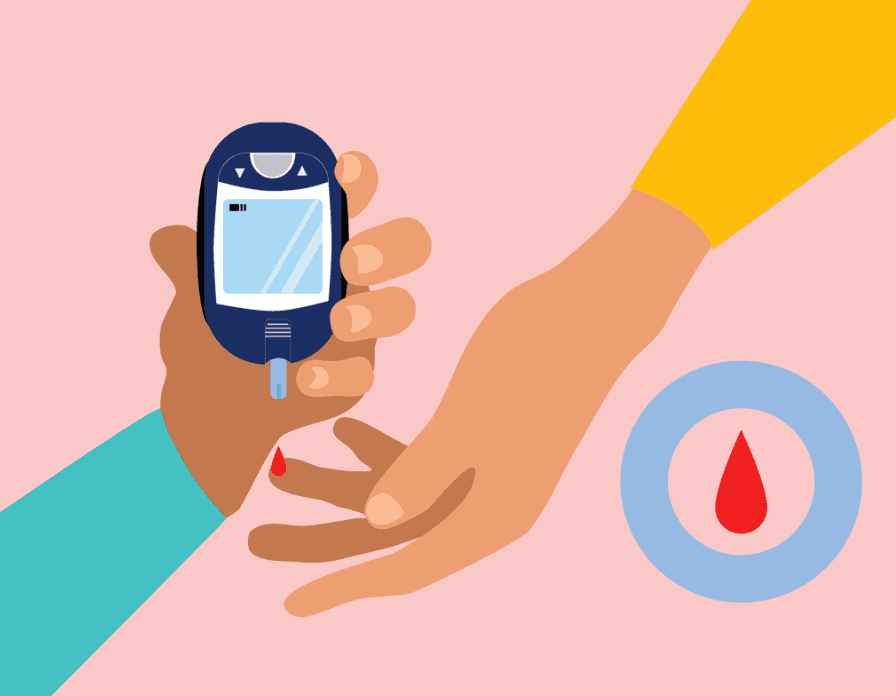
Understand what diabetes truly is, why it’s increasing worldwide, and how awareness saves lives.

Exercise is not just “good for you”—it’s one of the most effective tools women have for reducing the risk of breast cancer coming back.

Unhurried, deeply personal primary care from a physician who truly knows you.
Questions? Speak directly with our team
610-667-9980