
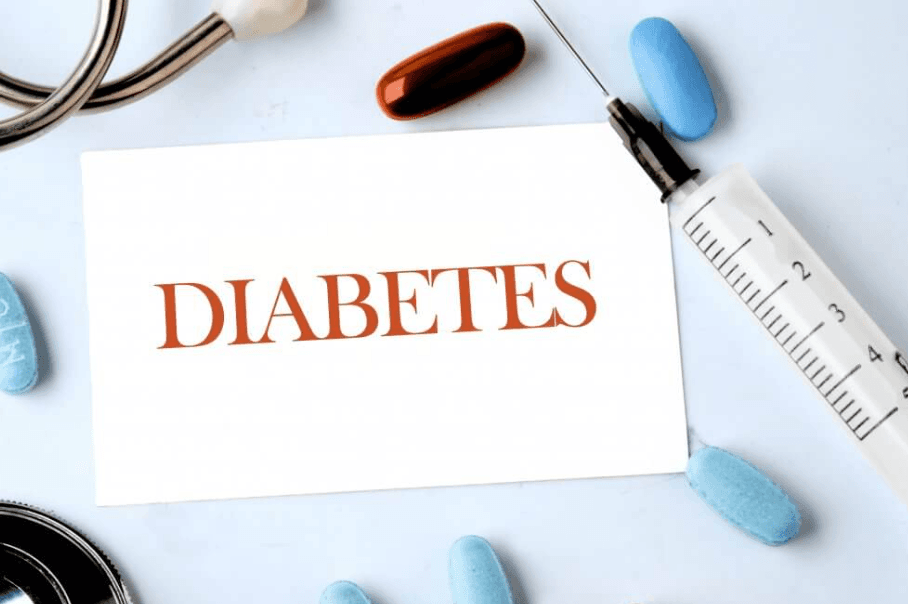
Type 1 Diabetes: Autoimmune, Unpredictable, and Frequently Misunderstood
Explore how Type 1 diabetes develops, why it’s not caused by lifestyle, and the daily challenges patients face.
More exercise is not always better. Learn how to balance intensity, recovery, and progress to protect your health and keep making gains.
By Total Access Medical ·

Many people believe that training harder always leads to better results. In reality, there is a tipping point where too much intensity or volume without enough recovery can lead to overtraining and chronic fatigue. This state can stall progress, increase the risk of injury, and harm long-term health. Training smarter means balancing effort with rest and recovery.
What Overtraining Looks Like
Why Overtraining Happens
How to Train Smarter
The Role of Recovery Strategies
Long-Term Perspective
Sustainable progress comes from consistent training paired with adequate recovery. Overtraining may seem like dedication in the short term, but it leads to setbacks and plateaus. Training smarter means respecting the body’s limits, adjusting when needed, and focusing on longevity in both fitness and health.
Explore how Type 1 diabetes develops, why it’s not caused by lifestyle, and the daily challenges patients face.
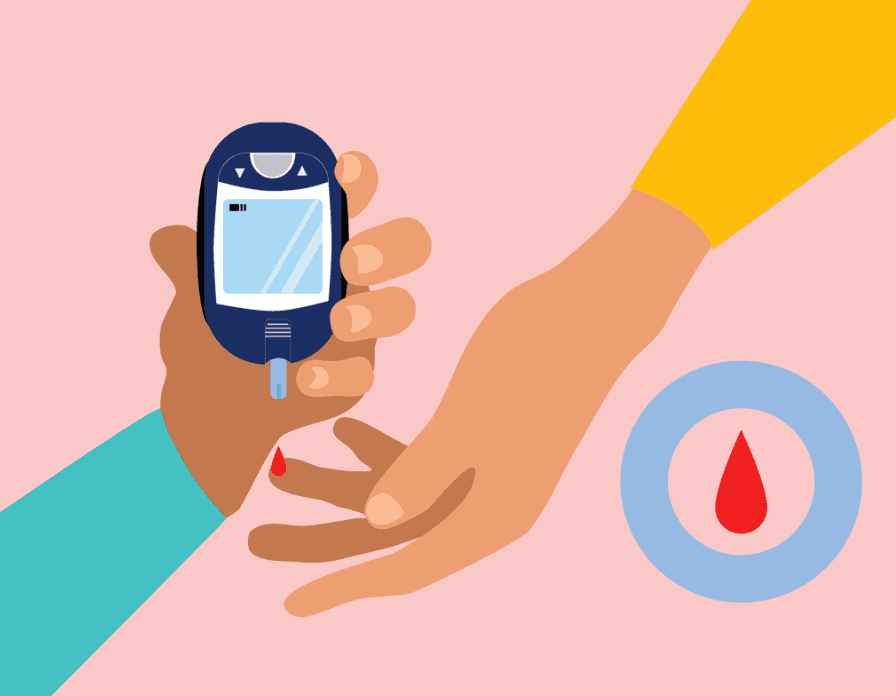
Understand what diabetes truly is, why it’s increasing worldwide, and how awareness saves lives.

Exercise is not just “good for you”—it’s one of the most effective tools women have for reducing the risk of breast cancer coming back.

Unhurried, deeply personal primary care from a physician who truly knows you.
Questions? Speak directly with our team
610-667-9980