
Type 1 Diabetes: Autoimmune, Unpredictable, and Frequently Misunderstood
Explore how Type 1 diabetes develops, why it’s not caused by lifestyle, and the daily challenges patients face.
Anxiety can occur when a person fears that something bad is going to happen. It refers to a feeling of fear or worry that often relates to a particular issue or concern.
By Total Access Medical ·

In addition to feelings of fear and worry, anxiety often involves physical symptoms, such as muscle tension.
Anxiety is different from a panic attack, which is a symptom of panic disorder. Anxiety often relates to a specific event or situation, although this is not always the case.
A panic attack, meanwhile, can happen without any specifiable trigger, and the symptoms are far more severe than the symptoms of anxiety.
However, if levels of stress and anxiety continue for a long time, further problems may develop.
Fast facts about anxiety
An anxiety attack, or anxiety:
A panic attack:
Difference in symptoms
Both panic and anxiety can involve fear, a pounding or racing heart, lightheadedness, chest pain, difficulty breathing, and irrational thoughts.
However, in a panic attack, these are far more severe. The person may genuinely believe they are going to die.
A person is more likely to require medical attention if they have a panic attack versus an anxiety attack.
Differences in how they start
Anxiety can be a response to a specific worry or fear. It tends to develop gradually, and a person is usually worried or concerned at the outset. It can be mild, moderate or severe. There may be a sense that if only this problem can be solved, everything will be all right.
A panic attack can happen without warning, and there is no way to prevent it. It can happen whether a person feels calm or anxious, and even during sleep. There is often no obvious cause, and the level of fear is out of proportion to the trigger. In fact, according to the APA, the reaction is unrelated to the situation.
Differences in duration
Anxiety is often related to a specific situation. It tends to build up and continue for some time.
A panic attack starts suddenly, symptoms peak after 10 minutes and usually abate after 30 minutes or so, although the effects may last longer. Anxiety generally does not peak in this way, but some people with anxiety can progress to panic attacks.
Can anxiety lead to panic?
A person who has panic disorder may experience anxiety that they are going to have a panic attack. The uncertainty about if or when an attack is going to happen can lead to anxiety between attacks.
For a person with panic disorder, anxiety may trigger a panic attack. The fear of having a panic attack can affect the person’s behavior and ability to function in daily life.
The APA suggest there may be a biological factor underlying panic disorder, but scientists have not yet identified a specific marker.
Explore how Type 1 diabetes develops, why it’s not caused by lifestyle, and the daily challenges patients face.
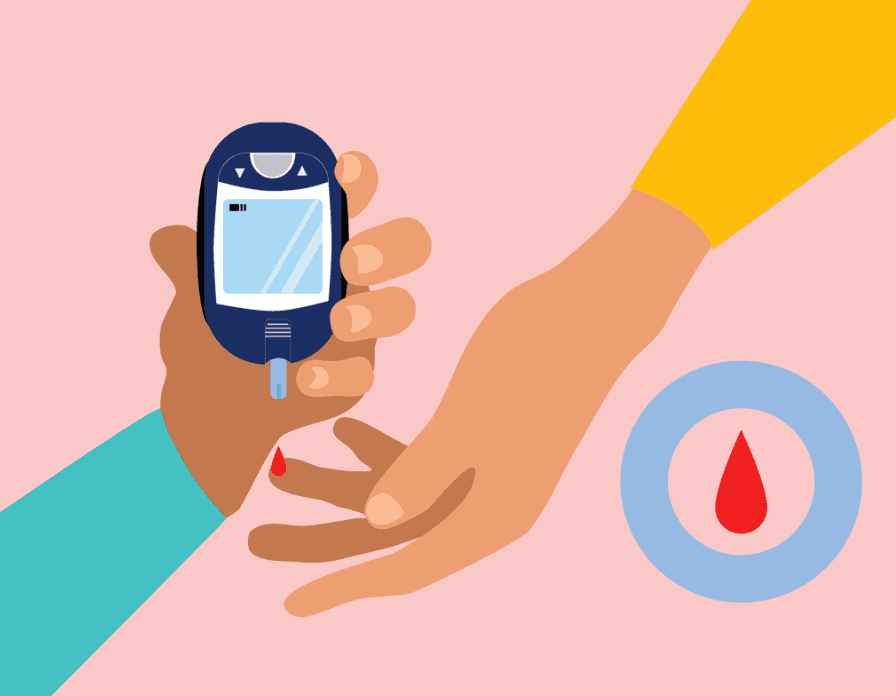
Understand what diabetes truly is, why it’s increasing worldwide, and how awareness saves lives.

Exercise is not just “good for you”—it’s one of the most effective tools women have for reducing the risk of breast cancer coming back.

Unhurried, deeply personal primary care from a physician who truly knows you.
Questions? Speak directly with our team
610-667-9980