
Type 1 Diabetes: Autoimmune, Unpredictable, and Frequently Misunderstood
Explore how Type 1 diabetes develops, why it’s not caused by lifestyle, and the daily challenges patients face.
A healthy lifestyle can lower your risk of colorectal cancer. Find out which habits can help protect your colon health.
By Total Access Medical ·
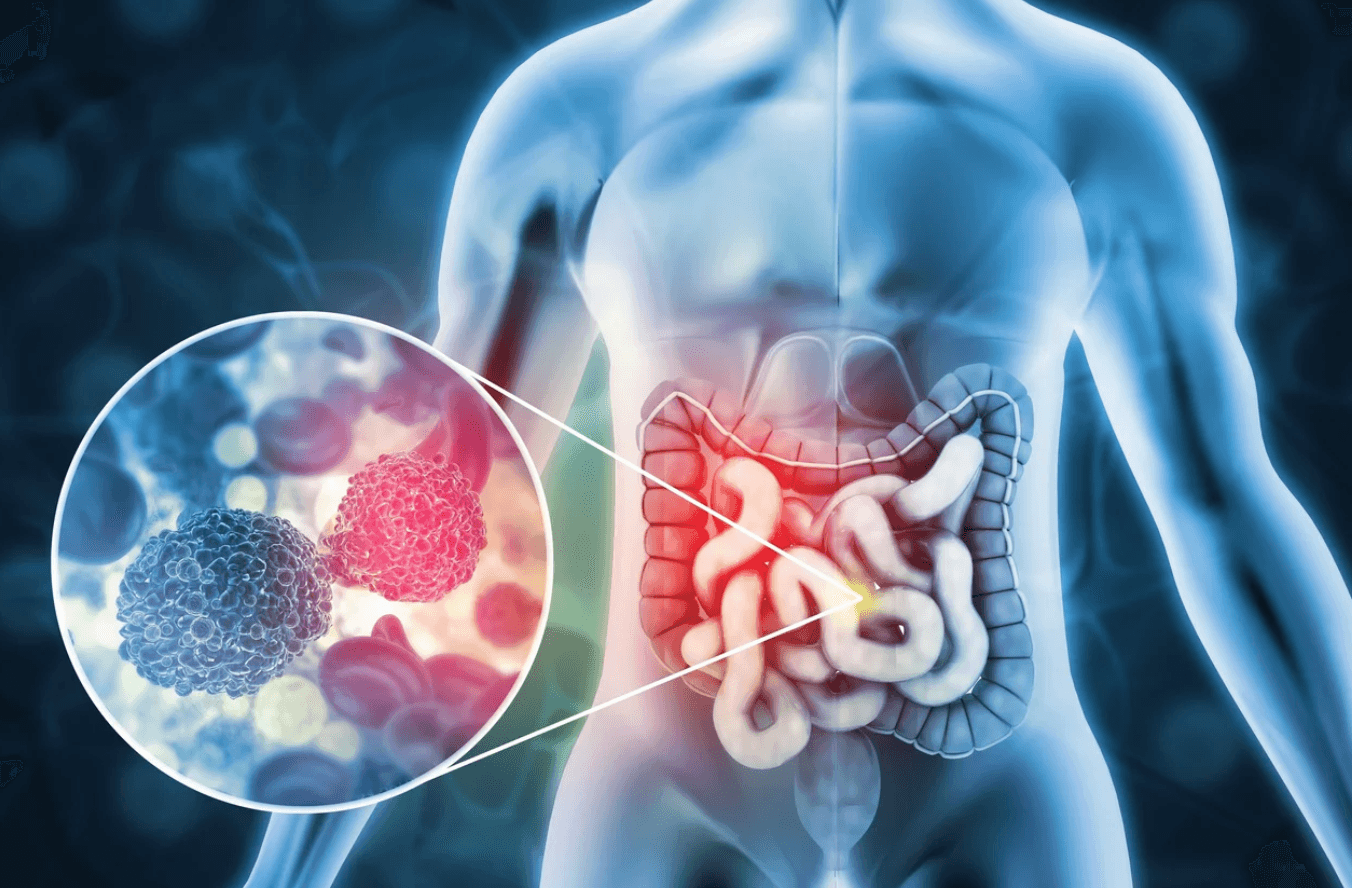
Colorectal cancer is one of the most preventable types of cancer, and adopting a healthy lifestyle can significantly lower your risk. While some risk factors, such as age and family history, cannot be changed, there are several proactive steps you can take to reduce your chances of developing this disease.
1. Maintain a Healthy Diet
What you eat plays a crucial role in colorectal cancer prevention. Focus on:
Regular exercise can help regulate body weight and lower inflammation, both of which are essential for reducing cancer risk. Aim for at least 150 minutes of moderate exercise or 75 minutes of vigorous activity per week. Simple activities like walking, jogging, cycling, or yoga can make a big difference.
Being overweight or obese increases the risk of colorectal cancer. A combination of a balanced diet and regular physical activity can help you achieve and maintain a healthy weight.
While not a lifestyle change, regular screenings are one of the most effective ways to prevent colorectal cancer. Screenings can detect polyps before they become cancerous, making early intervention possible.
Making small, consistent changes in your lifestyle can have a profound impact on your overall health and significantly reduce your risk of colorectal cancer. Start today by incorporating healthier habits and scheduling a screening if you are due.
By staying informed and proactive, you can take charge of your well-being and lower your chances of developing colorectal cancer.
Explore how Type 1 diabetes develops, why it’s not caused by lifestyle, and the daily challenges patients face.
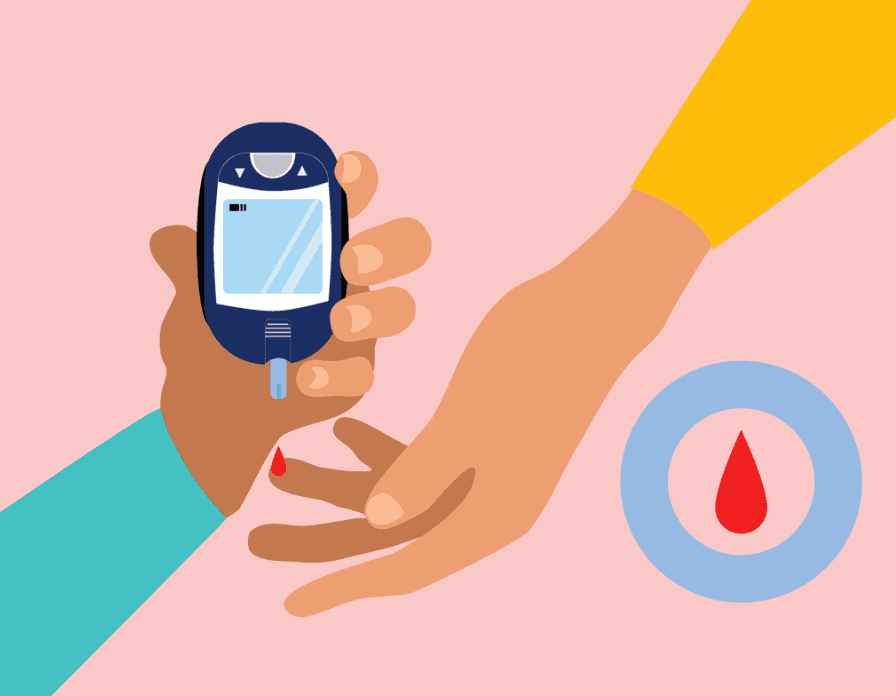
Understand what diabetes truly is, why it’s increasing worldwide, and how awareness saves lives.

Exercise is not just “good for you”—it’s one of the most effective tools women have for reducing the risk of breast cancer coming back.

Unhurried, deeply personal primary care from a physician who truly knows you.
Questions? Speak directly with our team
610-667-9980