
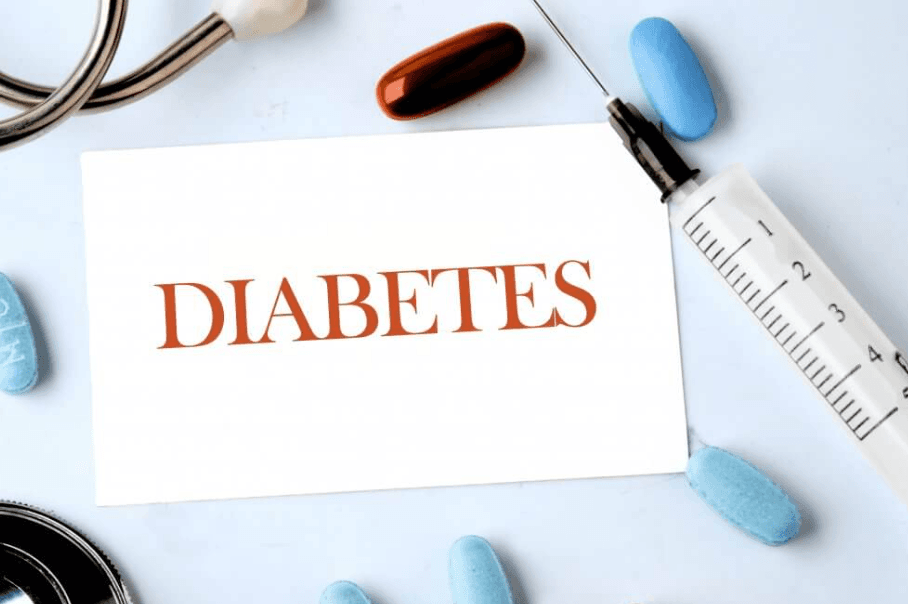
Type 1 Diabetes: Autoimmune, Unpredictable, and Frequently Misunderstood
Explore how Type 1 diabetes develops, why it’s not caused by lifestyle, and the daily challenges patients face.
Sleep is non-negotiable if you want peak performance. This guide strips away myths and gives you evidence-backed tactics to sleep better, starting tonight.
By Total Access Medical ·
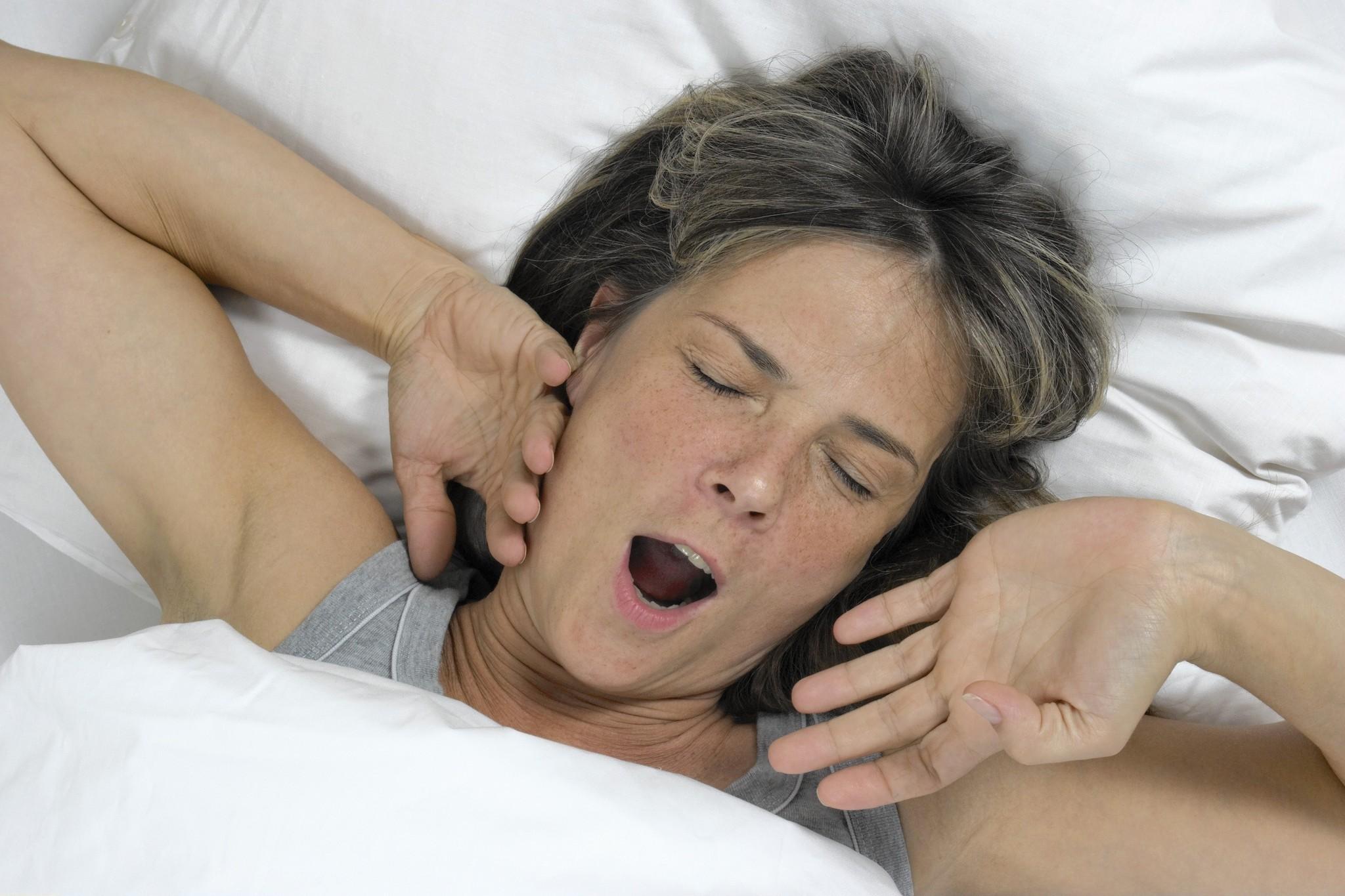
Quality sleep is one of the most powerful tools for improving mental clarity, physical recovery, and overall performance. Yet, many people treat sleep as optional, sacrificing hours of rest for work, entertainment, or late-night scrolling. Poor sleep adds up quickly—slowing reaction time, reducing focus, and making it harder for the body to repair itself. The good news? With the right habits, you can train your body and mind to sleep better.
1. Keep a Consistent Sleep Schedule
Your body’s internal clock, or circadian rhythm, thrives on regularity.
2. Create a Sleep-Friendly Environment
The right setting can make falling asleep and staying asleep much easier.
3. Power Down Before Bed
Technology can sabotage sleep by suppressing melatonin production.
4. Mind Your Evening Routine
What you do in the hours before bed directly affects sleep quality.
5. Use Light to Your Advantage
Light exposure helps regulate your circadian rhythm.
6. Manage Stress and Mental Load
Stress and overthinking are major barriers to restful sleep.
7. Stay Active, But Time It Right
Physical activity improves sleep, but timing matters.
Better sleep isn’t luck—it’s a skill you can train with consistent habits. By protecting your sleep schedule, creating the right environment, and making intentional choices in the hours before bed, you can dramatically improve recovery, sharpen your focus, and enhance your overall health. Treat sleep as non-negotiable, and you’ll see results in every area of your life.
Explore how Type 1 diabetes develops, why it’s not caused by lifestyle, and the daily challenges patients face.
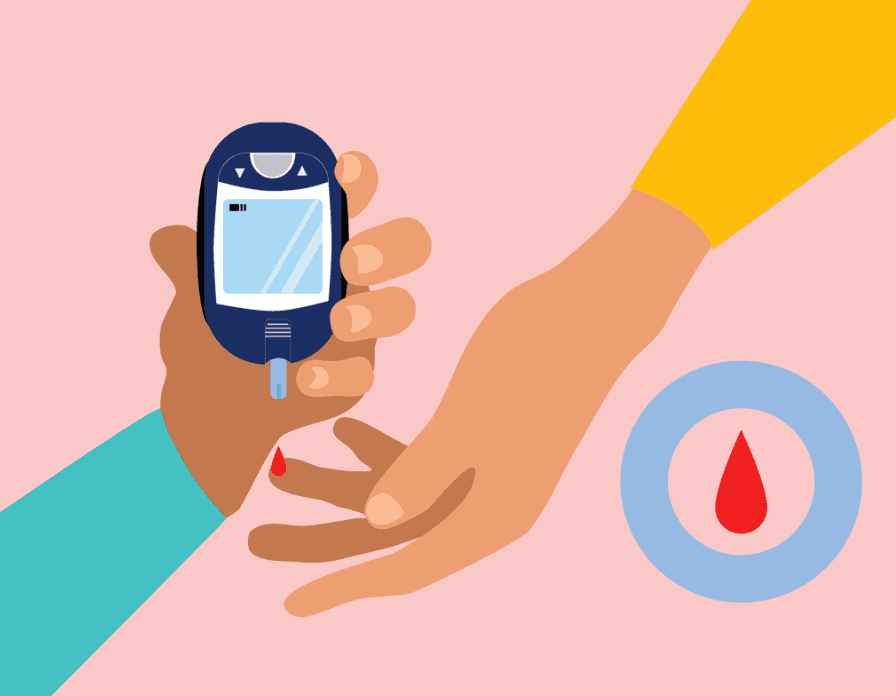
Understand what diabetes truly is, why it’s increasing worldwide, and how awareness saves lives.

Exercise is not just “good for you”—it’s one of the most effective tools women have for reducing the risk of breast cancer coming back.

Unhurried, deeply personal primary care from a physician who truly knows you.
Questions? Speak directly with our team
610-667-9980