
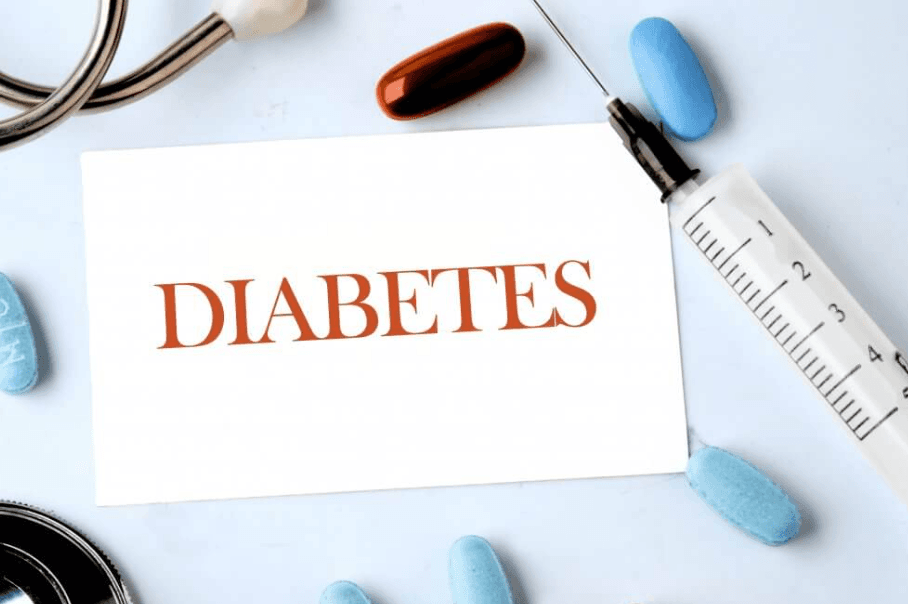
Type 1 Diabetes: Autoimmune, Unpredictable, and Frequently Misunderstood
Explore how Type 1 diabetes develops, why it’s not caused by lifestyle, and the daily challenges patients face.
Sleep is essential for women’s health. Discover how to overcome insomnia, balance hormones, and build better sleep habits for total wellness.
By Total Access Medical ·

May is Women’s Health Month, a time to highlight the unique health needs of women and raise awareness about preventive care, wellness strategies, and conditions that disproportionately affect women throughout their lives. While much attention is rightly given to heart health, reproductive care, and mental well-being, one crucial—and often overlooked—pillar of health deserves more focus: sleep.
Sleep is essential for everyone, but for women, it plays a uniquely powerful role in maintaining physical, emotional, and reproductive health. Yet, studies consistently show that women are more likely than men to experience sleep disturbances and insomnia—conditions that can ripple through nearly every aspect of their well-being.
Hormones and the Sleep Cycle
Women experience hormonal fluctuations throughout their lives—during the menstrual cycle, pregnancy, and menopause—that can significantly impact sleep quality. Estrogen and progesterone, for example, influence how long and how deeply a woman sleeps. In the days leading up to menstruation, declining levels of these hormones can lead to disrupted sleep, increased sensitivity to pain, and mood changes.
During pregnancy, rising progesterone levels may initially increase sleepiness, but physical discomfort, frequent urination, and anxiety can disturb sleep as pregnancy progresses. Later in life, menopause brings a drop in estrogen, often leading to hot flashes and night sweats that interrupt rest.
Mental Health and Sleep
Sleep and mental health are deeply connected, and women are statistically more likely to suffer from depression and anxiety—conditions that can be both a cause and consequence of poor sleep. Insufficient sleep affects mood regulation, cognitive performance, and stress management. For women juggling multiple roles—career, caregiving, and household responsibilities—chronic sleep deprivation can exacerbate mental health issues and contribute to burnout.
Sleep and Chronic Disease
Lack of sleep is associated with a higher risk of several chronic conditions that disproportionately affect women, including autoimmune diseases, cardiovascular disease, and obesity. Poor sleep can disrupt the body's regulation of glucose, appetite, and inflammation, increasing vulnerability to metabolic disorders and heart problems.
Additionally, the link between sleep and immune function is especially relevant to women, who are more prone to autoimmune conditions like lupus and rheumatoid arthritis. Consistently restorative sleep can help support the immune system and reduce systemic inflammation.
Sleep and Reproductive Health
Good sleep is essential for healthy reproductive function. Inadequate rest can disrupt menstrual cycles, fertility, and libido. For women undergoing fertility treatments or managing conditions like polycystic ovary syndrome (PCOS), prioritizing quality sleep may improve outcomes and hormonal balance.
Postpartum women are especially vulnerable to sleep disturbances due to infant care demands, which can significantly impact mental health and the ability to recover physically from childbirth.
Promoting Better Sleep for Women
To support healthy sleep, women can benefit from strategies tailored to their life stage and individual health needs:
Sleep is a cornerstone of women’s health, influencing everything from hormonal balance to heart function, mood, and immunity. By recognizing the unique sleep challenges women face and promoting individualized care and strategies, we can empower women to rest well and live healthier, more vibrant lives. Prioritizing sleep is not a luxury—it’s a vital investment in lifelong wellness.
Explore how Type 1 diabetes develops, why it’s not caused by lifestyle, and the daily challenges patients face.
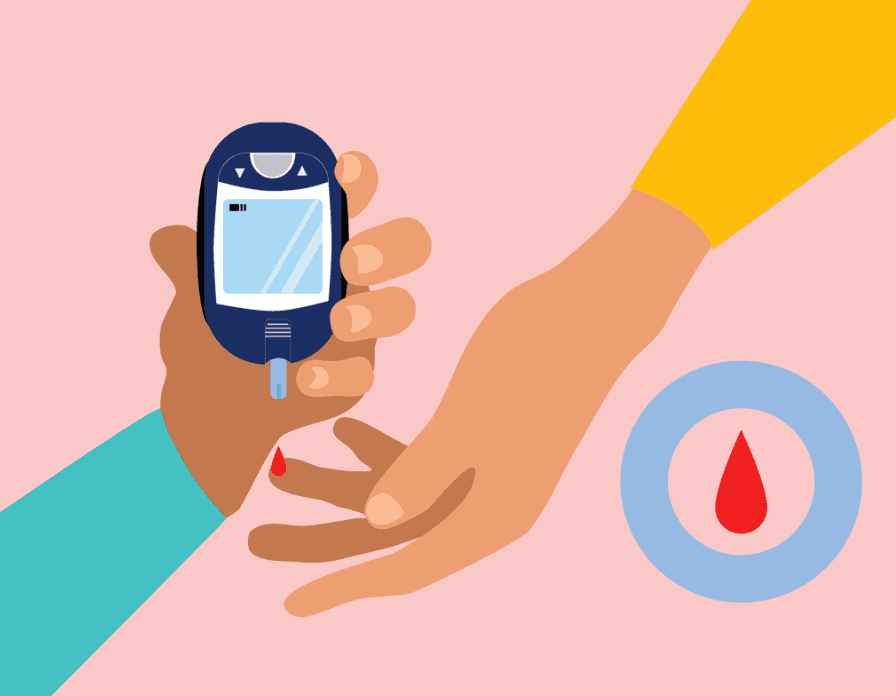
Understand what diabetes truly is, why it’s increasing worldwide, and how awareness saves lives.

Exercise is not just “good for you”—it’s one of the most effective tools women have for reducing the risk of breast cancer coming back.

Unhurried, deeply personal primary care from a physician who truly knows you.
Questions? Speak directly with our team
610-667-9980