
Type 1 Diabetes: Autoimmune, Unpredictable, and Frequently Misunderstood
Explore how Type 1 diabetes develops, why it’s not caused by lifestyle, and the daily challenges patients face.
Know the warning signs of colorectal cancer, from changes in bowel habits to unexplained weight loss, and when to seek medical help.
By Total Access Medical ·
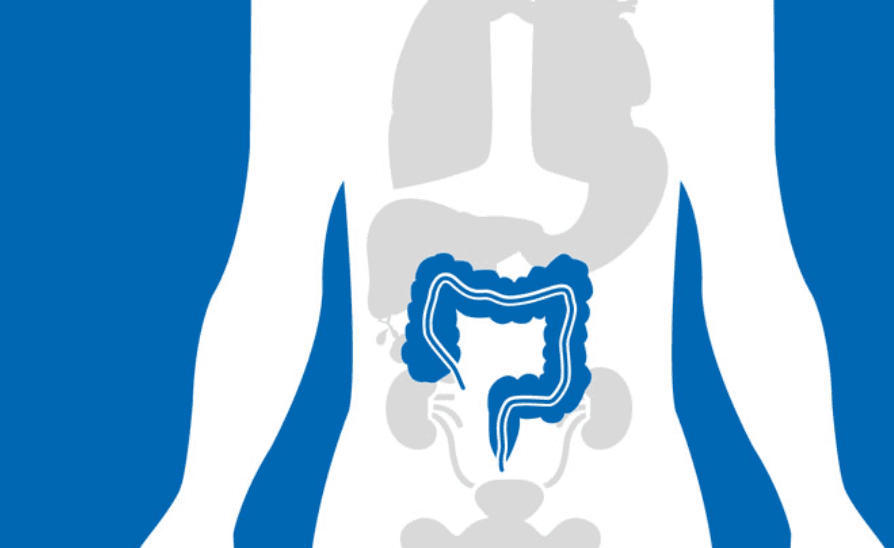
Colorectal cancer is one of the most common and preventable cancers, yet it often goes undetected in its early stages. Recognizing the warning signs early can lead to timely diagnosis and treatment, improving survival rates and outcomes. Understanding these symptoms and seeking medical attention when necessary can make a significant difference.
Common Early Symptoms
Colorectal cancer may not always present noticeable symptoms at first, but as the disease progresses, individuals may experience:
When to see a doctor:
If you experience any of these symptoms for more than a few weeks, it’s essential to consult a healthcare professional. While many of these symptoms may be related to other conditions, early detection of colorectal cancer can lead to more effective treatment options and improved survival rates.
Importance of Regular Screening
Since colorectal cancer can develop without noticeable symptoms, regular screenings play a vital role in early detection. The American Cancer Society recommends that individuals at average risk begin screening at age 45. Those with a family history or other risk factors may need to start earlier. Screening methods include:
Taking proactive steps
Aside from regular screenings, you can take steps to lower your risk of colorectal cancer by maintaining a healthy diet, staying active, avoiding smoking, and limiting alcohol intake. If you have concerns about symptoms or risk factors, speak with your healthcare provider about the best prevention and screening strategies for you.
Recognizing the early signs of colorectal cancer and seeking medical attention when necessary can save lives. Stay informed, prioritize screenings, and take charge of your health to prevent and detect colorectal cancer early.
Explore how Type 1 diabetes develops, why it’s not caused by lifestyle, and the daily challenges patients face.
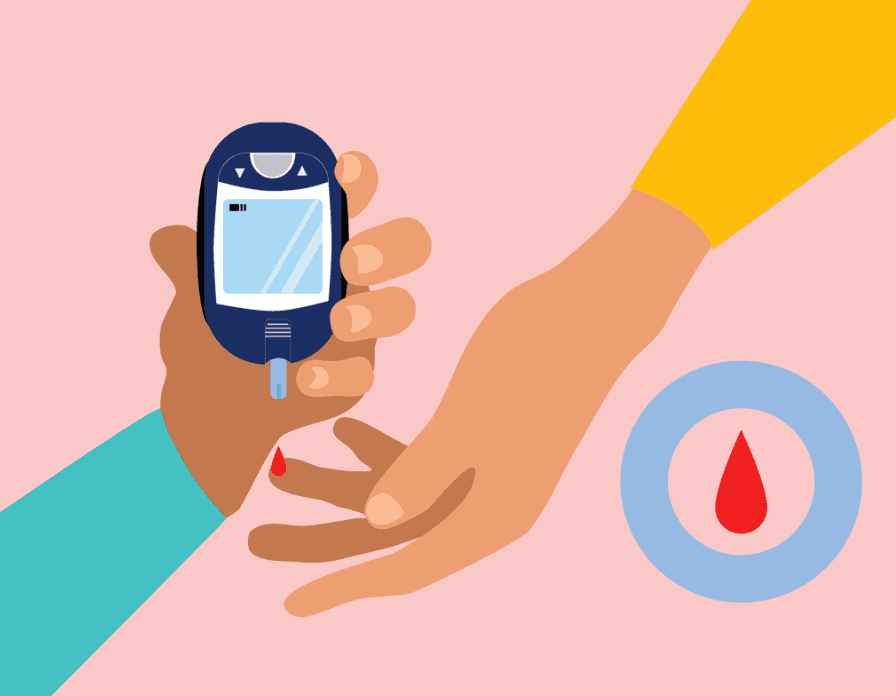
Understand what diabetes truly is, why it’s increasing worldwide, and how awareness saves lives.

Exercise is not just “good for you”—it’s one of the most effective tools women have for reducing the risk of breast cancer coming back.

Unhurried, deeply personal primary care from a physician who truly knows you.
Questions? Speak directly with our team
610-667-9980