
Type 1 Diabetes: Autoimmune, Unpredictable, and Frequently Misunderstood
Explore how Type 1 diabetes develops, why it’s not caused by lifestyle, and the daily challenges patients face.
Testosterone plays a key role in men’s health. Learn the signs of imbalance, when to get tested, and what treatment options are available.
By Total Access Medical ·
Testosterone often gets a lot of attention—and not always for the right reasons. It’s frequently misunderstood, both in terms of what it does and how it affects men’s health.
During Men’s Health Month, it’s the perfect time to clear up the confusion and talk openly about this powerful hormone. Whether you're in your 30s or 60s, understanding testosterone is key to taking control of your long-term vitality.
Testosterone is a sex hormone primarily produced in the testes. While it plays a major role in sexual development and reproductive function, it also affects:
This makes it critical to overall health and well-being, not just sexual function.
Truth: Testosterone levels can begin to decline as early as your 30s. Some men experience symptoms of low testosterone (or "Low T") even in their 20s due to stress, poor nutrition, or underlying health issues.
Truth: Testosterone Replacement Therapy (TRT), when medically indicated and supervised, is used to restore balance, not to enhance performance. It’s about feeling normal—not superhuman.
Truth: Sexual health is part of the picture, but fatigue, brain fog, depression, weight gain, and reduced motivation can all be signs of low testosterone.
Truth: While lifestyle does matter, some men have underlying hormonal imbalances that need targeted medical treatment—not just gym time and protein shakes.
You might not realize your symptoms are hormonal. Here are common warning signs:
If you’re experiencing a few of these consistently, it’s worth getting your levels checked.
A testosterone test is a simple blood test, typically drawn in the morning when levels are highest. If your total testosterone is low, your provider may also look at free testosterone, SHBG, estradiol, and other hormone markers to get the full picture.
A comprehensive, integrative approach is key. At our clinic, Dr. Lauren Musser, MD combines traditional lab work with a deeper functional medicine lens to determine why your levels are low—and what to do about it.
Treatment options may include:
Low testosterone can quietly impact every area of a man’s life—but the good news is, it’s treatable. Whether you're struggling with symptoms or just want to understand your baseline, working with an integrative physician can make all the difference.
Explore how Type 1 diabetes develops, why it’s not caused by lifestyle, and the daily challenges patients face.
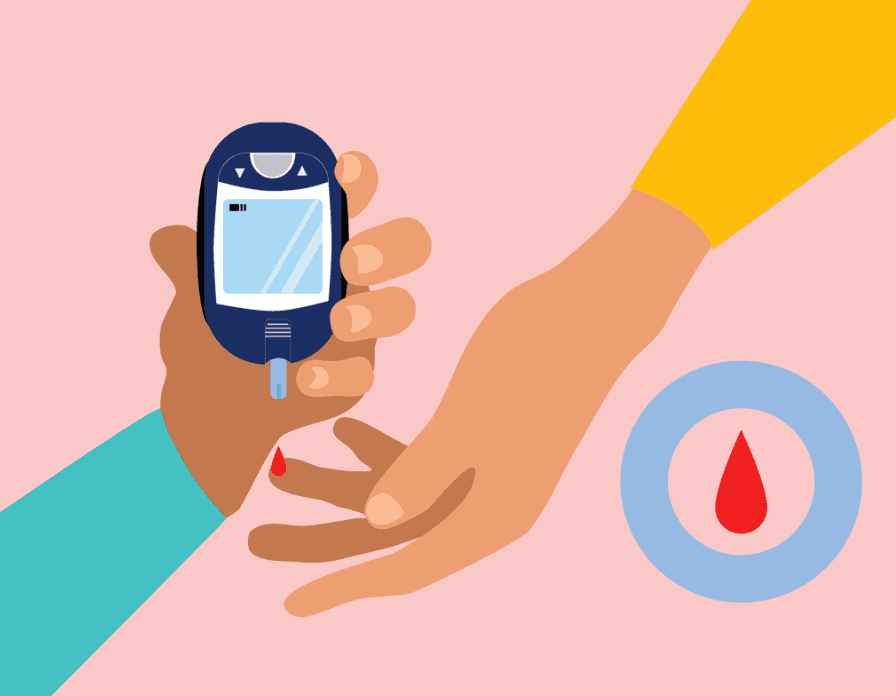
Understand what diabetes truly is, why it’s increasing worldwide, and how awareness saves lives.

Exercise is not just “good for you”—it’s one of the most effective tools women have for reducing the risk of breast cancer coming back.

Unhurried, deeply personal primary care from a physician who truly knows you.
Questions? Speak directly with our team
610-667-9980