
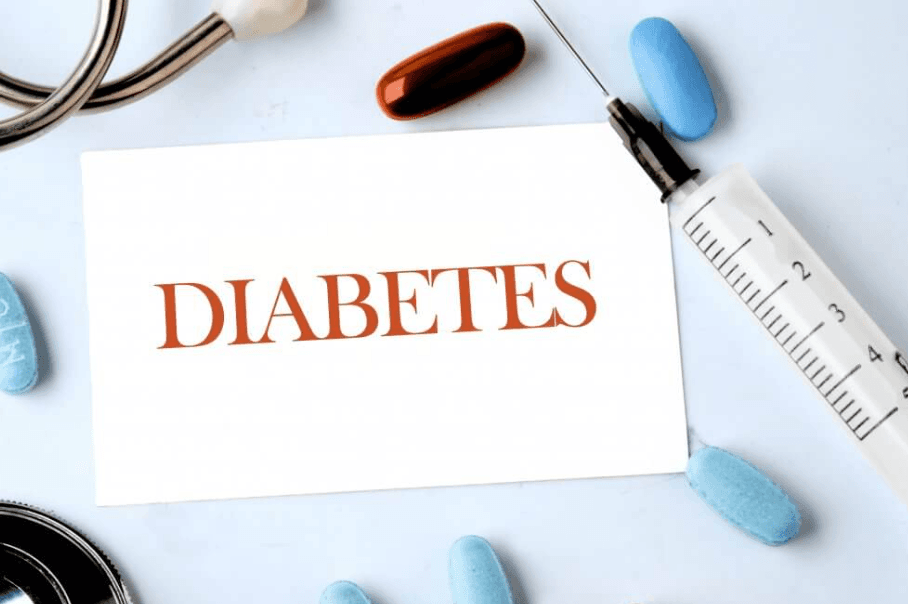
Type 1 Diabetes: Autoimmune, Unpredictable, and Frequently Misunderstood
Explore how Type 1 diabetes develops, why it’s not caused by lifestyle, and the daily challenges patients face.
Explore how Type 1 diabetes develops, why it’s not caused by lifestyle, and the daily challenges patients face.
Diabetes · By Total Access Medical ·
Type 1 diabetes is a chronic autoimmune condition in which the body mistakenly attacks its own insulin-producing cells in the pancreas. Without insulin, glucose cannot enter cells for fuel, causing dangerous spikes in blood sugar that can become life-threatening within hours or days. Unlike Type 2 diabetes, Type 1 is not caused by diet, weight, or lifestyle choices. It often strikes children, teens, and young adults — but it can appear at any age, and it arrives suddenly. People diagnosed with Type 1 must rely on insulin for survival, while constantly monitoring their blood sugar and managing the daily rollercoaster of a disease few truly understand.
What Type 1 diabetes actually is:
Common symptoms before diagnosis:
Facts most people misunderstand:
Daily management challenges:
What increases risk of developing Type 1 diabetes:
How science and treatment are improving lives:
The world often lumps all diabetes together, but Type 1 stands apart: unpredictable, demanding, and misunderstood. People living with it deserve respect, accurate information, and tools that help them thrive — not blame for something they didn’t cause and cannot cure.
Recommendations: Increase screening when symptoms appear, support people with Type 1 through awareness and education, and stay informed on emerging technologies that make daily management safer and more effective.
Explore how Type 1 diabetes develops, why it’s not caused by lifestyle, and the daily challenges patients face.
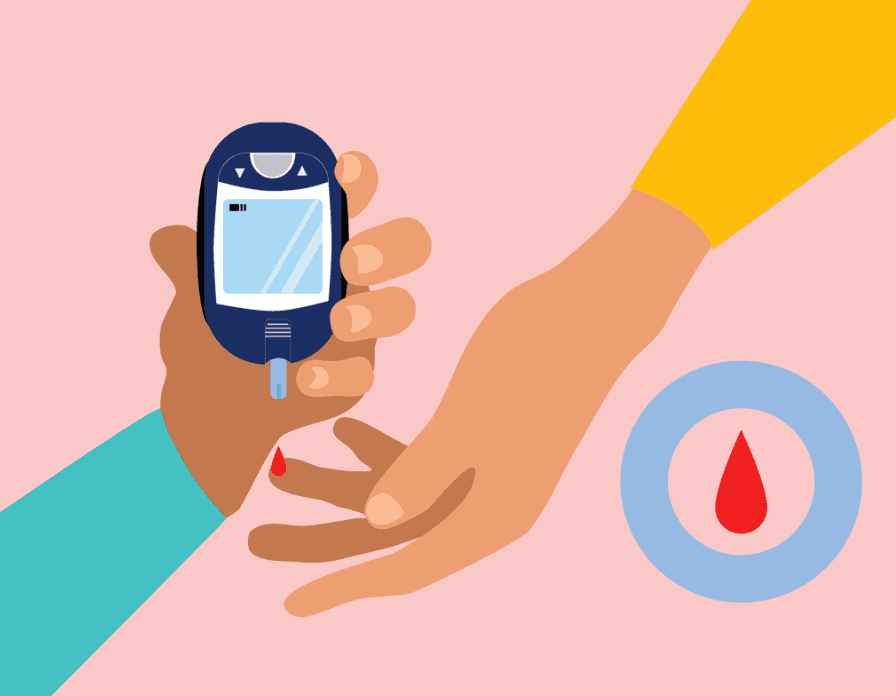
Understand what diabetes truly is, why it’s increasing worldwide, and how awareness saves lives.
Stop misinformation in its tracks. We expose the most harmful diabetes myths and replace them with science-based facts.

Unhurried, deeply personal primary care from a physician who truly knows you.
Questions? Speak directly with our team
610-667-9980