
Type 1 Diabetes: Autoimmune, Unpredictable, and Frequently Misunderstood
Explore how Type 1 diabetes develops, why it’s not caused by lifestyle, and the daily challenges patients face.
Learn how to use the UV Index to protect your skin and plan your day safely in the sun. A must-read for summer wellness!
By Total Access Medical ·
We’ve all heard the advice: wear sunscreen, avoid tanning, protect your skin. But how do you actually know when UV exposure is high—and when you’re most at risk? That’s where the UV Index comes in. It's a powerful yet often overlooked tool that can help you make safer decisions when spending time outdoors.
As part of UV Safety Awareness Month, let’s break down what the UV Index is, how it works, and why checking it should be part of your daily routine.
What Is the UV Index?
The UV Index is a standardized measure of the sun’s ultraviolet radiation levels at a particular place and time. It was developed by the World Health Organization (WHO), the U.S. Environmental Protection Agency (EPA), and other agencies to help people understand their risk of overexposure to harmful UV rays.
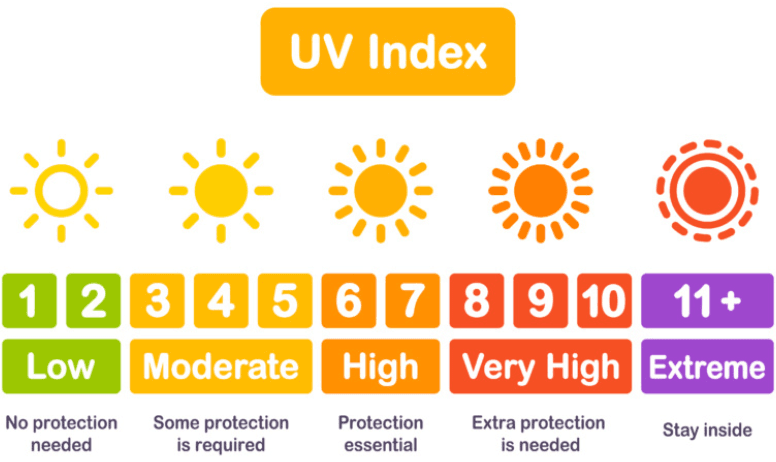
The index ranges from 0 to 11+, and the higher the number, the greater your risk of skin and eye damage.
UV Index Scale: What the Numbers Mean
UV Index | Risk Level | Recommended Precautions |
|---|---|---|
0–2 | Low | Minimal protection needed. Sunglasses are a good idea. |
3–5 | Moderate | Stay in shade during midday. Use SPF 30+, sunglasses, and a hat. |
6–7 | High | Reduce time in the sun between 10 a.m. and 4 p.m. |
8–10 | Very High | Extra protection needed. Seek shade and reapply sunscreen often. |
11+ | Extreme | Avoid sun exposure. UV rays can cause damage in minutes. |
Even on cloudy or cool days, UV levels can be high enough to cause harm. That’s why checking the UV Index daily is important, especially in the summer or at higher elevations.
Why the UV Index Matters for Your Health
Skin Protection
UV radiation is the leading cause of skin cancer. Regularly monitoring the UV Index allows you to adjust your behavior to minimize the risk of sunburn and long-term skin damage.
Eye Safety
High UV levels increase your risk of cataracts and other eye conditions. The UV Index serves as a reminder to wear UV-blocking sunglasses—even when it doesn’t “feel” sunny.
Smart Planning
Whether you're heading to the beach, going for a run, or walking the dog, checking the UV Index helps you make smarter decisions about when and how long to be outdoors.
How to Check the UV Index
Tips:
The UV Index is one of the easiest ways to protect your skin and health—yet so many people ignore it. By checking the UV Index each morning, you can take small, meaningful steps to reduce your risk of skin cancer, premature aging, and eye damage.
This UV Safety Awareness Month, make a habit of including the UV Index in your daily routine. Your skin and eyes will thank you for it.
Explore how Type 1 diabetes develops, why it’s not caused by lifestyle, and the daily challenges patients face.
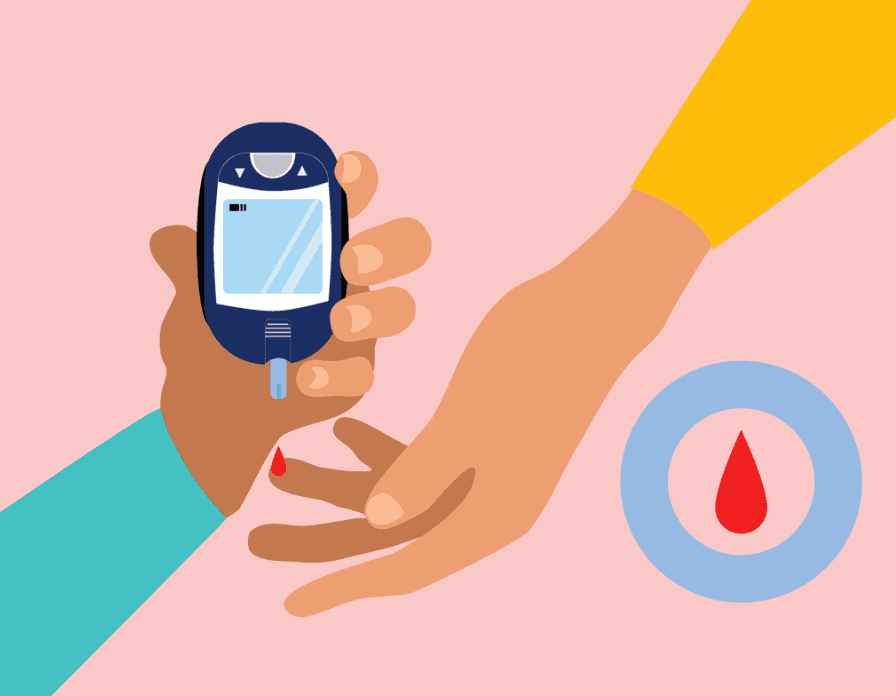
Understand what diabetes truly is, why it’s increasing worldwide, and how awareness saves lives.

Exercise is not just “good for you”—it’s one of the most effective tools women have for reducing the risk of breast cancer coming back.

Unhurried, deeply personal primary care from a physician who truly knows you.
Questions? Speak directly with our team
610-667-9980