

Type 1 Diabetes: Autoimmune, Unpredictable, and Frequently Misunderstood
Explore how Type 1 diabetes develops, why it’s not caused by lifestyle, and the daily challenges patients face.
Heart-healthy eating involves choosing certain foods, such as vegetables and fruits, while limiting others, such as saturated fats and added sugars.
By Total Access Medical ·

Heart-healthy living involves understanding your risk, making healthy choices, and taking steps to reduce your chances of getting heart disease. By taking preventive measures, you can lower your risk of developing heart disease that could lead to a heart attack. You can also improve your overall health and well-being.
Heart-healthy eating involves choosing certain foods, such as fruits and vegetables, while limiting others, such as saturated fats and added sugars.
Here is a list of foods to eat:
These foods are the foundation of a heart-healthy eating plan.
A heart-healthy eating plan limits sodium (salt), saturated fat, added sugars, and alcohol. Understanding nutrition labels can help you choose healthier foods.
Limit sodium
Adults and children over age 14 should eat less than 2,300 milligrams of sodium a day. Children younger than age 14 may need to eat even less sodium each day based on their sex and age. If you have high blood pressure, you may need to limit sodium even more. Talk to your healthcare provider about the amount of sodium that is right for you or your child.
Try these shopping and cooking tips to help you choose and prepare foods that are lower in sodium:
Explore how Type 1 diabetes develops, why it’s not caused by lifestyle, and the daily challenges patients face.
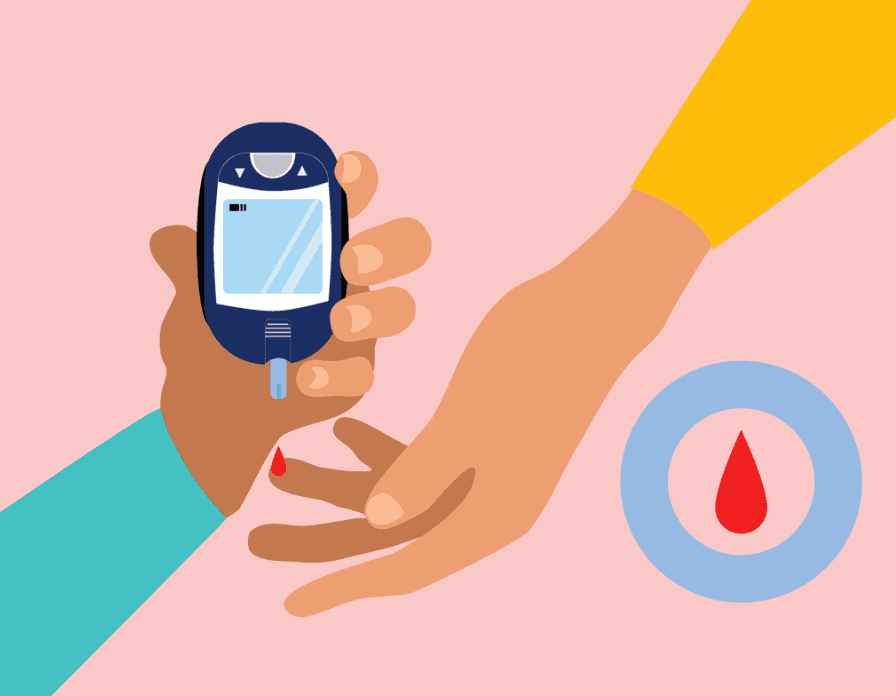
Understand what diabetes truly is, why it’s increasing worldwide, and how awareness saves lives.

Exercise is not just “good for you”—it’s one of the most effective tools women have for reducing the risk of breast cancer coming back.

Unhurried, deeply personal primary care from a physician who truly knows you.
Questions? Speak directly with our team
610-667-9980