
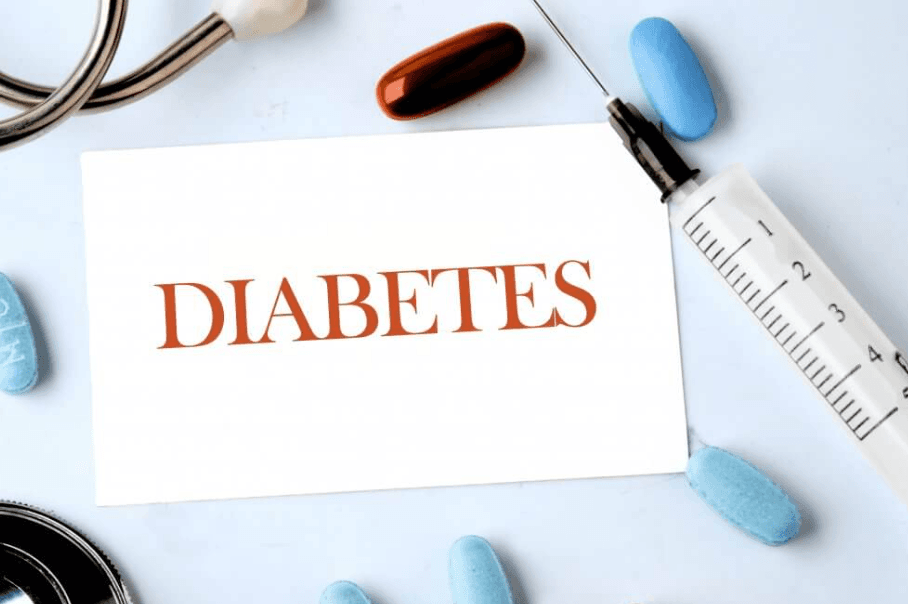
Type 1 Diabetes: Autoimmune, Unpredictable, and Frequently Misunderstood
Explore how Type 1 diabetes develops, why it’s not caused by lifestyle, and the daily challenges patients face.
Remote monitoring refers to healthcare services provided using advanced solutions such as videos, apps, imaging, and telephones.
By Total Access Medical ·
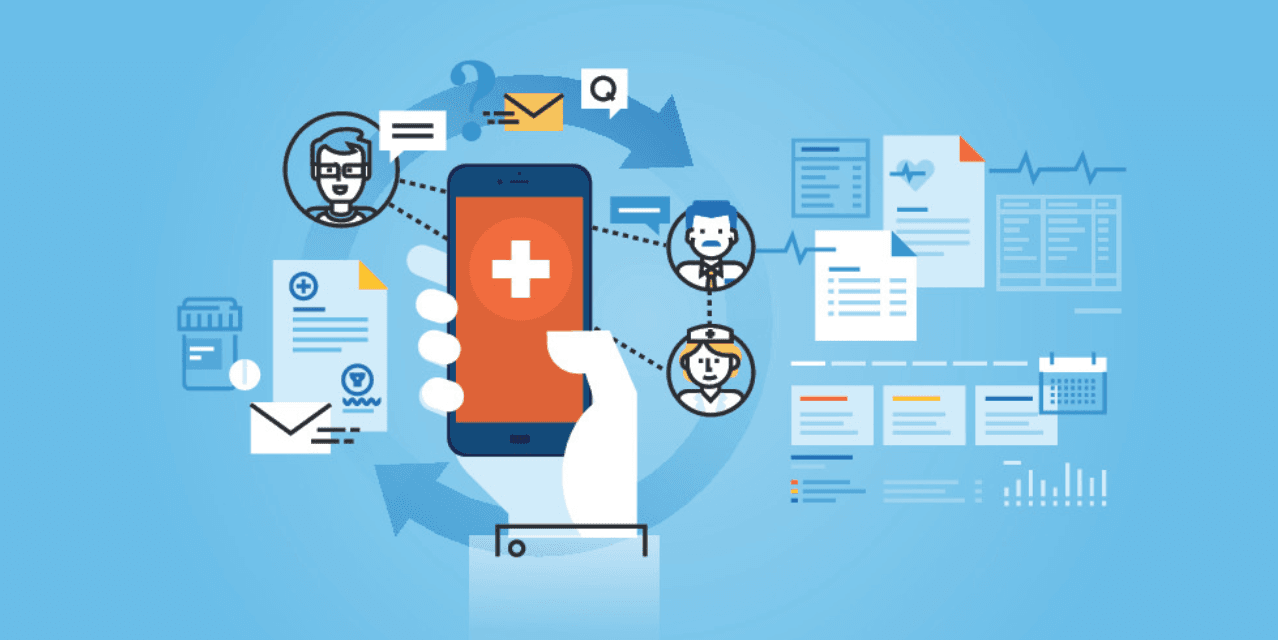
Remote patient monitoring (RPM) uses digital technologies to collect medical and other forms of health data from individuals in one location and electronically transmit that information securely to health care providers in a different location for assessment and recommendations. This type of service allows a provider to continue to track healthcare data for a patient once released to home or a care facility, reducing readmission rates.
The primary benefits for patients include:
Remote patient monitoring fits healthcare into a patient’s life — not the other way around. Because patients don’t have to physically come in to receive care, they can access treatment when, where, and how they want it.
Since RPM connects clinicians more directly with relevant patient data, it makes their daily routines more efficient and eases the possibility of burnout — resulting in obvious benefits to patient care.
Even better, RPM improves patient behavior by creating a system by which people are more engaged with, and accountable for, their health.
Better engaged patients have a tendency to take control of their health. Instead of resisting caregivers’ recommendations, they’re more likely to embrace them, improving their own health prospects in the process.
Important as patient comfort and engagement are, the benefits of remote patient monitoring go beyond that, offering patients invaluable assurance that someone is watching out for their health and well-being on a daily basis.
Thanks to this continuous, instantaneous connection between people and their physicians, RPM also provides patients with expanded levels of education, support and feedback, as compared to traditional models of healthcare.
The RPM model is comprehensive enough that physicians not only collect data but they're also automatically providing information back, so over time those patients are getting a lot of education and support.
RPM programs allow that patient to get that daily information, that daily support, that daily help, that can make all the difference in the world in terms of their health outcomes.
Explore how Type 1 diabetes develops, why it’s not caused by lifestyle, and the daily challenges patients face.
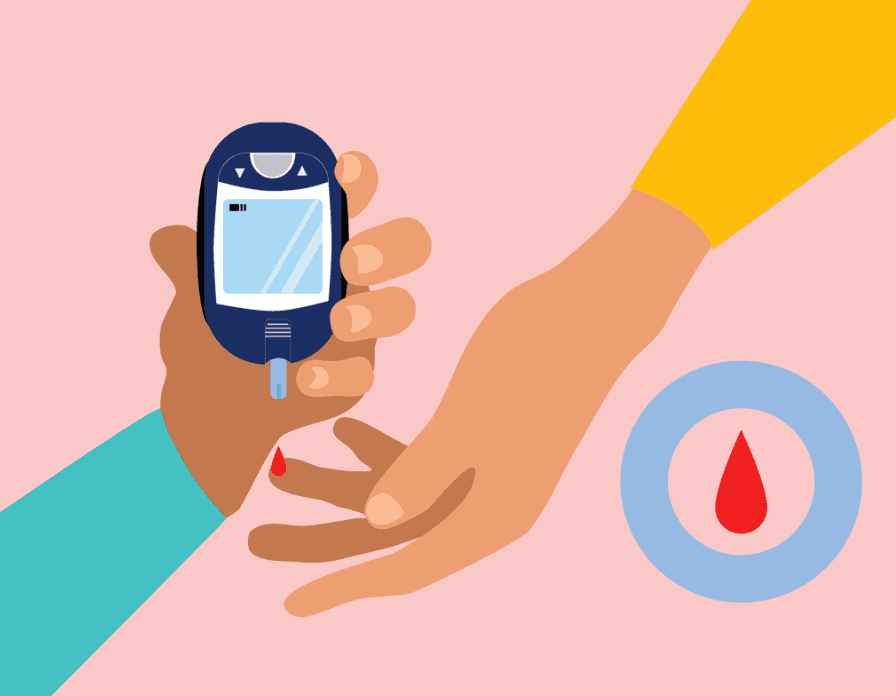
Understand what diabetes truly is, why it’s increasing worldwide, and how awareness saves lives.
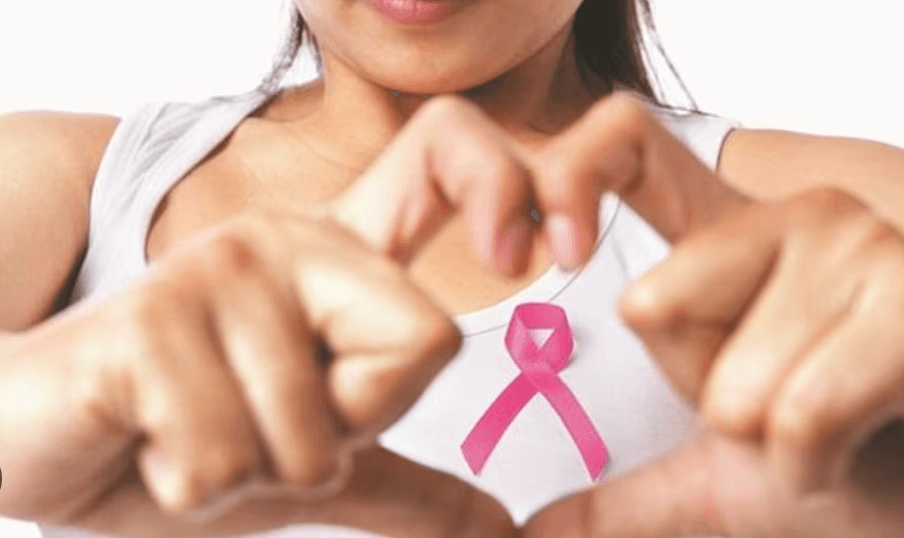
Exercise is not just “good for you”—it’s one of the most effective tools women have for reducing the risk of breast cancer coming back.

Unhurried, deeply personal primary care from a physician who truly knows you.
Questions? Speak directly with our team
610-667-9980