
Type 1 Diabetes: Autoimmune, Unpredictable, and Frequently Misunderstood
Explore how Type 1 diabetes develops, why it’s not caused by lifestyle, and the daily challenges patients face.
Discover how concierge medicine gives employers and brokers a competitive edge through proactive care, healthier employees, and lower healthcare costs.
By Total Access Medical ·

As healthcare costs rise and employee expectations evolve, many organizations are rethinking how they approach employee health and benefits.
Concierge medicine is one model gaining attention because it shifts the focus from reactive care to prevention, access, and personalized health management.
Many employees face long wait times, rushed appointments, and fragmented care. As a result, health concerns can go unaddressed until they become more serious, affecting both well-being and workplace performance.
For employers, this can contribute to:
Concierge physicians typically care for fewer patients, allowing for longer visits and greater accessibility.
Employees often benefit from:
The goal is to identify risks earlier and help individuals stay healthier over time.
When employees have easier access to care and stronger physician relationships, organizations may see benefits beyond healthcare.
Potential outcomes include:
Concierge medicine is not a replacement for health insurance. Instead, it works alongside traditional coverage to improve access and continuity of care.
Healthcare benefits are increasingly viewed as a talent and performance strategy, not just an expense.
Employees want convenient, personalized healthcare experiences, and employers are looking for ways to support well-being while managing costs.
As organizations evaluate the future of employee benefits, concierge medicine is becoming part of a broader conversation about prevention, engagement, and workforce health.
Healthier employees tend to be more engaged, productive, and resilient. Concierge medicine offers a different approach—one centered on accessibility, prevention, and stronger physician relationships.
For employers, the question is no longer whether employee health matters. It's how to create a healthcare experience that helps people stay healthy in the first place.
Explore how Type 1 diabetes develops, why it’s not caused by lifestyle, and the daily challenges patients face.
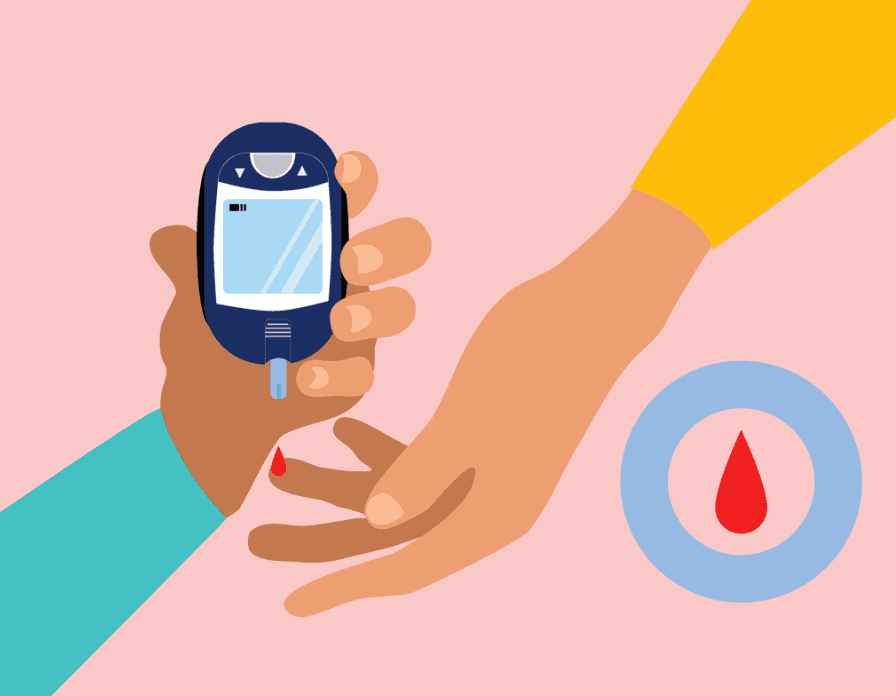
Understand what diabetes truly is, why it’s increasing worldwide, and how awareness saves lives.

Exercise is not just “good for you”—it’s one of the most effective tools women have for reducing the risk of breast cancer coming back.

Unhurried, deeply personal primary care from a physician who truly knows you.
Questions? Speak directly with our team
610-667-9980